Common problems with Kingston rubbish booking and how to avoid
Posted on 26/06/2026
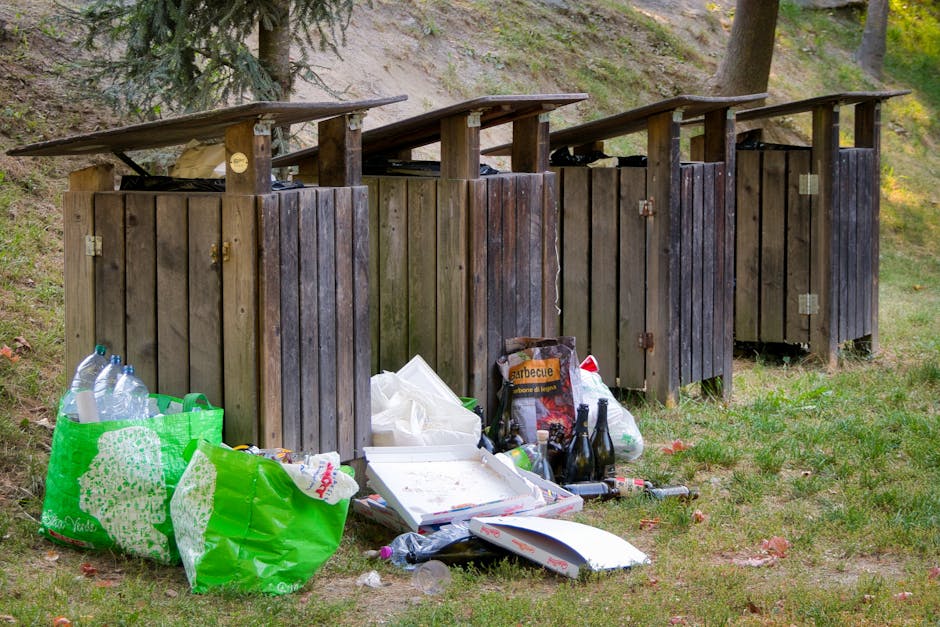
If you have ever tried to arrange a rubbish collection in Kingston and felt the process should be simple, only to run into delays, unexpected charges, or a booking that never quite matched the job you had in mind, you are not alone. The truth is, Common problems with Kingston rubbish booking and how to avoid is not just a search phrase; it is the real question people ask when they need waste gone quickly and cleanly, without the usual faff.
This guide breaks down the most common booking issues, why they happen, and how to sidestep them before they turn into a headache. We will cover pricing surprises, access problems, timing mistakes, missed details, compliance concerns, and the small things that tend to trip people up on busy days. And yes, there are a few local quirks in Kingston that are worth knowing about too.
Why Common problems with Kingston rubbish booking and how to avoid Matters
Rubbish booking sounds like a small admin task, but in practice it often sits right in the middle of a moving day, a flat clearance, a renovation, a garden tidy-up, or the end of a tenancy. If the booking goes wrong, the knock-on effect can be messy. Items stay where they are, neighbours get annoyed, access windows are missed, and sometimes the costs climb for reasons that would have been avoidable with a better plan.
In Kingston, this matters even more because many homes and businesses are working around narrow streets, shared entrances, flats, HMOs, permit restrictions, or busy loading areas. One tiny mistake in the booking form can change everything. A single missed detail about floor level or access can mean a crew turns up unprepared, which is nobody's idea of a good start to the day.
There is also the trust issue. People often compare providers quickly and assume all waste bookings work the same way. They do not. Some are based on clear item lists, some on load size, some on photographs, and some on on-site confirmation. Knowing how the process really works helps you avoid overpaying, underbooking, or ending up with a service that does not fit the job.
For anyone weighing up options, it can help to first understand the wider service landscape. The services overview page gives a useful sense of how different collection types fit together, and the pricing and quotes information is worth reading before you commit to a time slot.
How Common problems with Kingston rubbish booking and how to avoid Works
Most rubbish bookings follow a similar pattern: you describe what needs removing, explain where it is located, share the access details, choose a date or time window, and receive a price or estimate. Simple enough. But the snag is that the booking is only as good as the information you give.
The most reliable bookings usually include four things:
- Accurate waste description - what you need removed, not just "a bit of junk"
- Clear access notes - stairs, lift, narrow hallway, rear entrance, parking restrictions
- Realistic quantity - how much there is, and whether it is boxed, loose, dismantled, or bulky
- Timing clarity - when the waste will be ready and how long the crew has to work with
Common problems happen when one of these parts is vague. For example, a customer may book a "small" clearance but fail to mention three wardrobes, a broken sofa, a bed frame, and assorted DIY rubble. Or they may forget that the collection point is on the third floor with no lift. That sort of mismatch is where delays, revised quotes, and frustration begin.
To be fair, people are often not trying to be misleading. They just do not know what matters. That is why it helps to prepare the booking like you are briefing someone who has never seen the property. The more concrete you are, the easier the job becomes.
If your job is tied to a flat, a station-area property, or a shared building, the local access angle becomes even more important. Guides such as Kingston Station rubbish removal for flats and HMOs and narrow access solutions for Kingston flats are especially useful if your building is tight on space or awkward for loading.
Key Benefits and Practical Advantages
When you get the booking right, the whole process feels calmer. No drama. No guesswork. No van arriving with the wrong expectations.
Here are the practical gains that come from booking rubbish collection properly in Kingston:
- Fewer delays because the crew knows exactly what to expect
- Better pricing accuracy because the quote matches the actual job
- Smoother access planning for flats, courtyards, and tighter streets
- Less back-and-forth over photos, item counts, or time windows
- Reduced stress during moves, refurbishments, and clear-outs
- More responsible disposal when the right waste type is declared properly
There is also a quieter benefit that people do not always mention: a good booking protects your time. If you have ever spent a Saturday waiting around while boxes sat in the hallway and the kettle went cold, you know exactly how valuable that is. Life is busy enough.
For certain project types, choosing the right disposal route matters as much as choosing the time slot. If you are dealing with timber, plasterboard, packaging, or mixed construction debris, builders waste disposal in Kingston is more appropriate than a general household collection. The same logic applies to furniture-heavy jobs, office items, or garden waste; each category has its own shape and handling needs.
Who This Is For and When It Makes Sense
This topic matters to more people than you might think. It is not just for landlords or people clearing a whole house. If you are booking rubbish collection in Kingston, you may be dealing with any of the following:
- Homeowners clearing out before or after a move
- Tenants and landlords at the end of a tenancy
- Flat residents with limited access or no private driveway
- Office managers clearing desks, chairs, and filing cabinets
- Tradespeople and property renovators managing construction waste
- Families removing bulky furniture or garden waste
- Anyone needing a fast, tidy collection without a council-run wait
It tends to make the most sense when the waste is too much for a car boot, too awkward for repeated trips, or too time-sensitive to leave sitting around. A Saturday with rain in the forecast and a hallway full of broken flat-pack furniture is usually the point where people decide they want help, not theory.
Some situations also need a bit more care than others. Office clearances, for example, often include items that need sorting rather than simply tossing into one pile. If that is you, it may help to look at office clearance in Kingston alongside general waste booking advice so you are not trying to fit the wrong service to the job.
Step-by-Step Guidance
Here is a simple way to avoid the most common booking problems. Nothing fancy, just the practical version.
- List everything that needs removing. Be specific. "One sofa, two mattresses, six bin bags, one washing machine" is much better than "household rubbish."
- Separate the waste types. Keep garden cuttings, furniture, DIY waste, and general rubbish distinct if you can. Mixed piles are where estimates go sideways.
- Check access before you book. Measure tight doorways, note stair counts, and think about parking. If the vehicle cannot get close, say so early.
- Take honest photos. Good pictures save everyone time. Stand back a little. Capture the full pile. One close-up of a chair leg does not tell the whole story.
- Choose a realistic slot. Same-day collection can be useful, but only if the waste is ready and access is sorted. Otherwise, you are asking for a scramble.
- Ask what is included. Confirm loading, disposal, labour, and any extra handling that may apply.
- Prepare the items. Move waste to one location if possible, dismantle safely where practical, and make sure blocked corridors are clear.
- Keep communication open. If anything changes, tell the provider before the appointment. Not after the van has arrived. That little habit saves a lot of awkwardness.
One useful local habit is to build in a margin of safety. If you think the job is "about a van load," describe it as "around a van load, but I can send photos." That wording is honest, and it gives everyone space to assess properly.
If you are trying to keep the process efficient without sacrificing responsibility, the page on recycling and sustainability is a good reminder that the aim is not just to remove waste, but to handle it sensibly.
Expert Tips for Better Results
Most booking problems are avoidable if you treat the quote stage like a proper briefing. Here are the habits that make the biggest difference in real life.
- Send photos in daylight. Morning light makes volume easier to judge. Late-night phone shots in a dim hallway, not so much.
- Show the route out. A pile at the front door is not the same as a pile at the bottom of two narrow flights of stairs.
- Declare awkward items early. Pianos, wardrobes, heavy gym gear, fridges, and sharp building debris can change the approach.
- Confirm timing around building rules. Some blocks, HMOs, or managed properties have quiet hours or loading restrictions.
- Keep one point of contact. Too many messages from different people create confusion quickly.
- Read terms before booking. It sounds dull, yes, but cancellation windows, access charges, and prohibited items are often there for a reason.
In our experience, the best bookings are not the most elaborate. They are the clearest. A short note, a few photos, and an honest estimate usually do more than a long message full of vague phrases. People tend to over-explain when they are unsure. That is normal. But the cleaner your description, the easier the job is to price and complete.
If payment process confidence matters to you, especially on bigger clearances, it is worth checking the provider's payment and security information as part of your booking decision. Peace of mind counts.

Common Mistakes to Avoid
This is where many bookings go a bit off the rails. The mistakes are usually small, which is precisely why they are easy to miss.
- Booking before the waste is ready - if items are still being sorted, the crew may arrive to find half the job still inside cupboards.
- Underestimating volume - a few extra bags can push a collection into a different size bracket.
- Forgetting about access - the job may be straightforward in your head and awkward in reality.
- Assuming all waste is acceptable - some items need special handling, and some require prior notice.
- Not mentioning parking constraints - a van with nowhere legal to stop can create avoidable delays.
- Mixing different project types - garden waste, furniture, and builders rubbish are not always treated the same way.
- Skimming the quote - this is where hidden charges sometimes sneak in.
Let's face it, most people only make these mistakes once. The first time is annoying. The second time would be self-sabotage. So if a booking feels too easy, do one more check. It takes two minutes and can save a whole afternoon.
For people dealing with clear-out jobs rather than simple household rubbish, the dedicated pages for house clearance in Kingston and furniture disposal in Kingston can help you separate the right service from the wrong one.
Tools, Resources and Recommendations
You do not need anything fancy to make a better booking. A phone, a notebook, and a little organisation will usually do the trick. Still, a few simple tools help:
- Phone camera for clear photos of the waste and access route
- Measuring tape for doorways, stairwells, and bulky furniture dimensions
- Notes app to list item counts and special instructions
- Calendar reminder so you do not forget the time slot or collection day
- Parking notes for permit-only streets, one-way access, or loading restrictions
There are also a few page-level resources that are genuinely worth using if you are comparing services or planning a more complex job. Start with about us if you want a sense of the company's approach, then check insurance and safety if your job involves stairs, heavy items, or a busy building. Those details matter more than people think.
If your booking is tied to a seasonal tidy-up, you might also find the service pages for garden waste removal in Kingston useful in spring and summer, while the office and furniture pages suit end-of-lease or workplace projects better. Matching the service to the waste is half the battle.
Law, Compliance, Standards, and Best Practice
Waste collection is not just a logistics job. It also sits within a wider framework of duty of care and responsible handling. You do not need to become an expert in waste law to make a good booking, but you do need to know the basics.
In plain English, the person creating the waste should take reasonable care to pass it to a suitable carrier and give accurate information about what needs removing. That is why truthful descriptions matter. If a load includes items that are restricted, awkward, hazardous, or unusually heavy, that needs to be disclosed up front.
Good practice also means checking that the service you book is appropriate for the waste type. Furniture, mixed household rubbish, garden cuttings, and builders debris may all need different handling arrangements. If you are unsure, say so early rather than hoping for the best. Hope is not a booking strategy, unfortunately.
For more confidence in how a provider handles responsible disposal, recycling and sustainability is a helpful page to review. And if your booking touches privacy or site access arrangements, the policy pages such as privacy policy and terms and conditions are worth reading before you confirm anything.
Best practice, really, comes down to three things: be honest, be specific, and be organised. That is the whole game.
Options, Methods, or Comparison Table
Different booking methods suit different situations. Here is a simple comparison to help you decide what works best.
| Booking method | Best for | Common downside | How to avoid trouble |
|---|---|---|---|
| Photo-based quote | Most domestic collections and small clearances | Photos can hide volume or access issues | Send wide shots and mention stair or parking restrictions |
| Item-list quote | Furniture disposal, office items, and defined loads | Easy to miss extra bags or smaller loose waste | Count every item and include "extras" separately |
| On-site assessment | Large, awkward, or uncertain jobs | Takes more time to arrange | Use when access or volume is hard to estimate |
| Same-day booking | Urgent clearances and fast turnarounds | Often less flexible if details are incomplete | Prepare waste and access info before you request a slot |
If you are unsure which route fits best, the relevant article on avoiding delays and fees on same-day rubbish collection in Kingston is a smart read. There is also practical local guidance around KT1 same-day rubbish collection availability, which is helpful if speed is the main concern.
Case Study or Real-World Example
A fairly typical Kingston scenario goes like this: a tenant in a first-floor flat is moving out on a Friday afternoon. There is a broken desk, two chairs, several bags of general rubbish, and a mattress they want gone before the final handover. They book quickly, say it is "just a few bits," and forget to mention that the building has no lift, the staircase is narrow, and parking outside is restricted.
On the day, the collection takes longer than expected because the route out is tighter than planned. The crew can still complete the job, but the estimate is no longer as neat as it was on paper. The tenant is frustrated, mostly because they thought they had already explained enough.
Now compare that with the better version. The customer sends clear photos, notes the third-floor access, mentions the parking restriction, and lists the items one by one. The booking is set properly, the right time window is chosen, and the job runs more smoothly. Same waste, very different outcome.
That is the pattern you will see again and again. The problem is rarely the rubbish itself. It is the assumptions around it.
Another example comes from properties near busy transport links. A resident in a shared building may need to coordinate around neighbours, limited loading space, and narrow corridors. If they have already read the narrow access solutions guide, they are usually in a much better position to avoid last-minute hassle. Small preparation, big difference.
Practical Checklist
Use this before you confirm a Kingston rubbish booking. Simple, practical, and slightly boring in the best possible way.
- Have I listed every item that needs collecting?
- Have I separated furniture, garden waste, builders waste, and general rubbish?
- Have I described access clearly, including stairs, lifts, and parking?
- Have I taken clear photos from a few angles?
- Do I know whether the waste will be ready at the agreed time?
- Have I checked whether any items need special handling?
- Do I understand what is included in the price?
- Have I read the relevant terms before confirming?
- Is the booking type suitable for the urgency of the job?
- Have I given the provider a way to contact me quickly if needed?
Tick those off, and you are already ahead of many people. Honestly, that is most of the battle done.
Get a free quote today and see how much you can save.
Conclusion
Booking rubbish collection in Kingston does not have to be complicated, but it does reward careful preparation. The most common problems are usually predictable: vague descriptions, access surprises, underestimating load size, and not checking the small print. Once you know those risks, they become much easier to avoid.
If you treat the booking like a quick but important handover, you will usually get a better quote, a smoother visit, and fewer unpleasant surprises. That applies whether you are clearing a flat, sorting garden waste, emptying an office, or dealing with builder debris after a long week of work.
In the end, the aim is simple: fewer delays, clearer expectations, and a service that feels like a relief rather than another chore. And when the last bag is gone and the space feels quiet again, that is a good feeling. Properly good.

 Tipper Van - Rubbish Removal and Rubbish Disposal Prices in Kingston, KT1
 Luton Van - Rubbish Removal and Rubbish Disposal Prices in Kingston, KT1


