Kingston council rules for garden waste and rubbish disposal
Posted on 07/07/2026
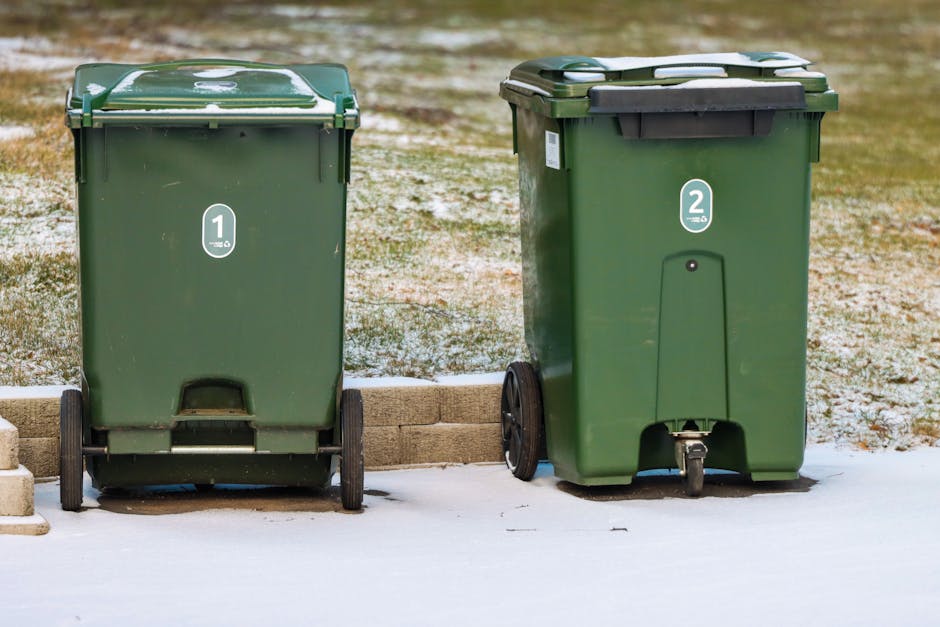
Kingston council rules for garden waste and rubbish disposal: what you need to know
If you have ever stood in the garden with a pile of hedge trimmings, a broken fence panel, and last week's DIY leftovers, you'll know how quickly "just clearing up" turns into a proper disposal problem. Kingston council rules for garden waste and rubbish disposal can feel straightforward at first, but the details matter. Get them wrong and you may face missed collections, rejected waste, extra charges, or, in the worst cases, unwanted attention for fly-tipping.
This guide breaks the topic down in plain English. We'll look at what the rules generally mean, how garden waste and household rubbish are usually handled, what people often get wrong, and how to choose the cleanest, easiest route for your property. If you live in a flat, a house in multiple occupation, or you're managing a garden clear-out after a wet weekend and a busy spring, this should help you make sense of it all. And yes, we'll keep it practical.
Why Kingston council rules for garden waste and rubbish disposal matters
Garden waste looks harmless, doesn't it? Grass clippings, leaves, hedge cuttings, a few old plant pots. But once waste leaves your hand, the responsibility doesn't magically vanish. Kingston council rules are there to keep streets tidy, prevent blocked communal bins, reduce contamination in recycling streams, and stop waste ending up where it should not. Simple enough in theory, a bit fiddly in practice.
The biggest reason this matters is that garden waste and general rubbish are treated differently. Grass cuttings are not the same as rubble. Soil is not the same as packaging. A mattress in a hedge-sack is still a mattress. Councils and waste carriers tend to care about how waste is sorted, what it contains, and how it is presented for collection. If you mix the wrong items together, the whole load can become harder to dispose of properly.
For households in Kingston, the practical impact is obvious. A small terrace with a neat back garden, a flat with limited storage, or a shared house with one overflowing bin area all need a different approach. That is why understanding the rules is less about bureaucracy and more about avoiding stress. If you want a broader picture of how waste services fit together locally, it can also help to read the services overview alongside the more specific garden and rubbish guidance.
There's also the neighbour factor. Nobody enjoys waking up to sacks left on the pavement, particularly in narrow residential streets where one badly placed pile can become a small morning drama. Let's face it, a tidy collection point is better for everyone.
How Kingston council rules for garden waste and rubbish disposal works
At a practical level, Kingston's waste rules usually come down to three things: sorting, presentation, and collection method. The exact details can change depending on your property type and the waste stream, so it helps to think in categories rather than one catch-all rulebook.
1. Garden waste
Typical garden waste includes grass cuttings, hedge trimmings, small branches, weeds, and leaves. In many homes this can be bagged separately and collected as garden waste, or taken away through a permitted private collection route. It should not be mixed with rubble, electrical items, treated timber, food waste, or general household rubbish unless the service specifically accepts mixed loads.
2. General household rubbish
Rubbish from kitchens, bathrooms, and day-to-day living tends to fall into general waste. Think broken household items, packaging that cannot be recycled, old soft furnishings, and mixed clutter from decluttering. Once again, the key is separation. A bag of mixed waste is easier to reject than to sort.
3. Bulky items
Large items such as sofas, wardrobes, garden furniture, and broken appliances usually need a different disposal route. If you're dealing with awkward furniture from a tight hallway or a second-floor flat, this is where a specialist collection can save serious hassle. The furniture disposal Kingston page is useful if you are comparing options for bigger household items.
4. Builders' or DIY waste
Soil from landscaping, broken tiles, old sheds, concrete fragments, and timber offcuts are often treated as construction-type waste rather than garden waste. It sounds picky, but it matters. If you lump it all together, the disposal route can change. For jobs like that, builders waste disposal Kingston is the more relevant route than a standard garden clearance.
In many real-life cases, the simplest option is to get the waste looked at before you load the car or start bagging everything up. A quick sort first often saves an hour later. Sometimes more.
Key benefits and practical advantages
Following Kingston council rules properly is not just about avoiding trouble. There are some solid everyday advantages too.
- Cleaner collection points: Bags that are sorted and tied properly are far less likely to be split, blown open, or left behind.
- Fewer rejected loads: Keeping garden waste separate from general rubbish reduces the chance that a collection is refused.
- Less time spent sorting later: A few minutes of prep now can save a messy re-sort when the truck is already booked.
- Reduced contamination: Recycling systems work better when the wrong materials do not get mixed into green waste or general waste.
- Better value: When waste is properly separated, you often pay for the right type of collection instead of an inflated mixed-load job.
There's another practical benefit people underestimate: peace of mind. If you have ever looked at a pile of rubbish on a Friday evening and thought, "I'll deal with that tomorrow," you'll know how nice it is when the disposal method is obvious. No guessing. No last-minute panic. Just done.
For homeowners preparing a property for sale or landlords getting ready for a new tenant, this is especially useful. A clear outdoor space makes a better impression, and tidy waste handling helps avoid those awkward last-minute delays. For related local context, the article on effective property sales in Kingston is a helpful companion read.
Who this is for and when it makes sense
This topic matters to more people than you might think. Garden waste and rubbish disposal rules touch households, landlords, tradespeople, and even people who only have a small courtyard or balcony planter that needs clearing every so often.
It is especially relevant if you are:
- doing a seasonal garden tidy-up after pruning or lawn mowing
- clearing a property before a move
- managing waste for a flat, HMO, or shared house
- dealing with mixed rubbish after a clear-out
- removing bulky outdoor items like broken chairs, tables, or planters
- sorting waste after landscaping or light DIY work
In Kingston, property layout matters a lot. A house with side access is very different from a first-floor flat with one narrow stairwell and a communal bin store. If you have ever carried a bin bag down stairs while trying not to wobble past a bicycle, you already know the problem. A service that works well in one building can be hopeless in another.
For flats and HMOs in particular, practical disposal planning saves time and friction. The guide on rubbish removal for Kingston flats and HMOs is worth a look if communal access, storage, or shared-bin pressure is part of your situation.
Step-by-step guidance
If you want a sensible way to handle waste without overthinking it, follow this process.
- Separate your waste by type. Keep garden waste, general rubbish, bulky items, and builders' waste apart from the start. It sounds obvious, but it's the bit people skip.
- Check what can be reused or recycled. Some plant pots, metal garden items, and cardboard packaging may be recyclable. Mixed waste is where problems start.
- Bag or bundle properly. Use sturdy sacks for loose green waste, tie branches safely, and avoid overfilling anything that may split during handling.
- Measure access. If a collection team needs to get through a narrow hall, around a tight corner, or down basement steps, note it in advance. That saves the awkward "er, it's a bit tight actually" conversation on arrival.
- Decide whether council-style disposal or private collection is better. For small, simple volumes, a basic collection route may be enough. For mixed or bulky waste, a dedicated collection can be quicker and cleaner.
- Book the right service for the job. If you need garden-only removal, use the right service. If your load includes old furniture, use a broader waste collection solution such as garden waste removal Kingston or waste collection Kingston, depending on the mix.
- Keep a final sweep for contamination. One stray item can alter the whole load. This is especially true with soil, plaster, rubble, and electrical waste.
If you are planning a larger clear-out, think in stages rather than trying to do everything in one go. A Saturday morning collection often feels far less stressful than a whole weekend of stacking, repacking, and second-guessing yourself.
Expert tips for better results
Here are a few field-tested habits that make waste disposal smoother, particularly in Kingston's mix of terraced homes, flats, and compact side streets.
- Keep garden waste dry where possible. Wet grass and leaves get heavier fast. By the time you lift the sack, it can feel like you're carrying mud in a bag. Not ideal.
- Break down bulky items early. If a garden bench or wardrobe can be disassembled safely, do it before collection day. Smaller pieces are simpler to move and load.
- Use clear labels for mixed household jobs. If several people are contributing waste, label piles or bags so nothing gets mixed by mistake.
- Take a quick photo of the pile. This is useful when you are checking quotes or asking whether a load contains restricted items.
- Plan around access times. Flats, courtyards, and shared entrances often have quiet windows when moving waste is easier and less disruptive.
- Ask about safety and handling. For heavier or awkward items, it is worth checking that the service follows proper lifting and transport practices. A reliable provider should be comfortable talking about that, not defensive. Our insurance and safety page explains the mindset to look for.
One small but useful habit: keep a spare bag in the shed or utility area for odd bits of rubbish that appear over the week. Random twine, broken pot fragments, loose packaging. It prevents the "where did all this come from?" moment on collection day.

Common mistakes to avoid
Most disposal problems are avoidable. They usually come from rushing, mixing waste types, or assuming all rubbish is treated the same way.
Mixing green waste with general rubbish
This is probably the most common mistake. A few food scraps, plastic tie wraps, or broken household bits can turn a garden pile into mixed waste. That often means more handling and a different disposal route.
Leaving soil and rubble in garden bags
Soil is heavy and often treated differently from green waste. Add rubble or hardcore and you move into a separate category again. It is one of those annoying distinctions that seems minor until you are the one lifting the bag.
Overstuffing sacks
Overfilled sacks split. Splits create mess. Mess creates delays. And delays tend to show up exactly when you want to finish early and get on with your day.
Ignoring access issues
Narrow passages, shared gates, residents' parking, and stairs all matter. If you do not mention them in advance, the collection might still happen, but it may take longer or require extra handling.
Booking the wrong type of disposal
A load of hedge trimmings is not the same as a load of broken furniture. Nor is a stack of old fence panels the same as bagged garden clippings. Matching the waste type to the right service is half the battle.
For people dealing with tricky access or large items, the local articles on rubbish collection for Kingston flats with narrow access and common booking problems and how to avoid them can save a lot of head-scratching.
Tools, resources and recommendations
You do not need fancy equipment to dispose of garden waste properly, but a few basic tools make life easier.
- Heavy-duty rubble sacks or garden waste sacks: Better than thin carrier bags that tear as soon as you pick them up.
- Secateurs, loppers, or a pruning saw: These help reduce branch size safely before disposal.
- A tarpaulin or sheet: Useful for gathering loose clippings and keeping patios cleaner.
- Gloves and sturdy shoes: Especially helpful when handling thorny hedge cuttings or broken pots.
- A broom and dustpan: The final sweep matters more than people think. Tiny debris can make a space feel untidy even after the main waste is gone.
For broader service choices, it helps to compare pricing and handling rules before you book. The pricing and quotes page is a sensible place to start if you want to understand how different collection jobs are usually structured.
And if sustainability matters to you, it should, the recycling and sustainability page gives a useful sense of how waste can be handled with a bit more care. No drama. Just a better habit.
Law, compliance, standards, or best practice
Waste disposal in the UK is not just a matter of convenience. There are basic legal and practical standards behind it. Without turning this into a legal lecture, the safest approach is to follow recognised waste handling practice: sort correctly, use a legitimate carrier, and avoid leaving waste where it could create a nuisance or be mismanaged.
For householders, the most important point is duty of care in plain language: if you create the waste, you should take reasonable steps to make sure it is handed to someone who can deal with it properly. That usually means checking what the service accepts, presenting it correctly, and keeping proof of collection where appropriate. Common sense, really, but worth saying out loud.
Garden waste can also become a compliance issue when it is mixed with restricted materials. A bag full of green cuttings is one thing. Add treated timber, masonry, or electrical items and the disposal route may change. That is why "garden waste" is not always as simple as it sounds.
Best practice usually includes:
- keeping waste streams separate
- avoiding overfilled bags and unsafe lifting
- booking a proper collection method for bulky or mixed items
- using clear communication about access, volume, and waste type
If you want a provider that thinks carefully about those details, it helps to review the company background as well. The about us page is useful for that wider trust check.
Options, methods, or comparison table
Not every waste problem needs the same solution. In practice, most people are choosing between a council-style collection route, a DIY trip, or a private waste removal service. Here's a simple comparison.
| Option | Best for | Pros | Watch out for |
|---|---|---|---|
| Separated garden waste collection | Cuttings, leaves, light garden debris | Simple, tidy, good for regular maintenance | Usually not suitable for mixed loads or heavy soil |
| DIY disposal | Small volumes, people with a vehicle and time | Flexible, useful for one-off small clear-outs | Access, time, handling, and the risk of mixing waste types |
| Private waste collection | Bulky, mixed, awkward, or time-sensitive jobs | Convenient, faster, often better for difficult access | Price varies by load type and access conditions |
| Specialist builders' waste removal | Soil, rubble, timber, post-renovation debris | Better suited to heavier or construction-type waste | Not the same as standard garden clearance |
If you are dealing with a simple pile of hedge cuttings, a basic garden route may be enough. If the load includes an old lawnmower, broken pots, bags of soil, and three fence panels that barely fit through the gate, a broader service is usually the calmer choice.
Case study or real-world example
A typical Kingston scenario looks something like this. A small family house has spent the spring growing a jungle in the back garden. After a weekend of pruning, they have hedge trimmings, loose leaves, a cracked plant tub, and a dismantled wooden planter. Then they notice the old garden chair, which somehow became "temporary storage" two years ago. That's how these things go.
At first they consider stuffing everything into standard bags and leaving it out over several days. But the bags are awkward, the soil makes them heavy, and the narrow side passage means moving everything carefully. After sorting the waste into garden-only material, separating the planter timber, and identifying the bulky chair as a separate item, the disposal becomes far simpler.
Instead of one messy load, they have three clearly defined categories. The result is quicker loading, less risk of rejection, and far less chance of the garden looking half-cleared for another week. More importantly, the whole job feels manageable, which is a bigger benefit than people expect.
That same approach also helps in flats and HMOs, where waste often sits in communal spaces or needs to be moved during quiet hours. If you are in that situation, the local guide to same-day rubbish collection availability in KT1 and the piece on avoiding delays and fees with same-day rubbish collection may be especially useful.
Practical checklist
Use this checklist before any garden tidy-up or rubbish disposal day.
- Separate green waste from general rubbish
- Keep soil, rubble, and builders' waste out of garden bags unless the service accepts it
- Break bulky items down where safe and practical
- Use strong sacks and avoid overfilling them
- Check access routes, stairs, gates, and parking constraints
- Decide whether you need garden-only, mixed waste, or bulky item collection
- Take a quick photo of the load before booking if you want a clearer quote
- Make sure nothing hazardous or restricted has been mixed in
- Plan the collection day so waste is ready and easy to move
- Do a final sweep of the area so nothing small gets left behind
That last step matters more than it sounds. A tidy space changes the way the whole property feels. You can almost hear the difference, if that makes sense: less clutter, less friction, less noise in your head.
Get a free quote today and see how much you can save.
Conclusion
Kingston council rules for garden waste and rubbish disposal are really about keeping waste in the right place, in the right format, at the right time. Once you understand the basic categories, the process becomes much less intimidating. Garden cuttings, household rubbish, bulky items, and builders' waste each need their own handling, and that small difference can make a big impact on convenience and cost.
The best results usually come from a calm, sorted approach. Separate early, check access, choose the right service, and avoid the mixed-load chaos that causes most disposal headaches. It is not glamorous work, to be fair, but it is one of those jobs that feels a lot better once it is done properly.
And when the bins are clear, the patio is swept, and the garden finally looks like a garden again, you really do notice it. Quietly satisfying, that.
 Tipper Van - Rubbish Removal and Rubbish Disposal Prices in Kingston, KT1
 Luton Van - Rubbish Removal and Rubbish Disposal Prices in Kingston, KT1


