Kingston Station rubbish removal guide for flats and HMOs
Posted on 30/04/2026
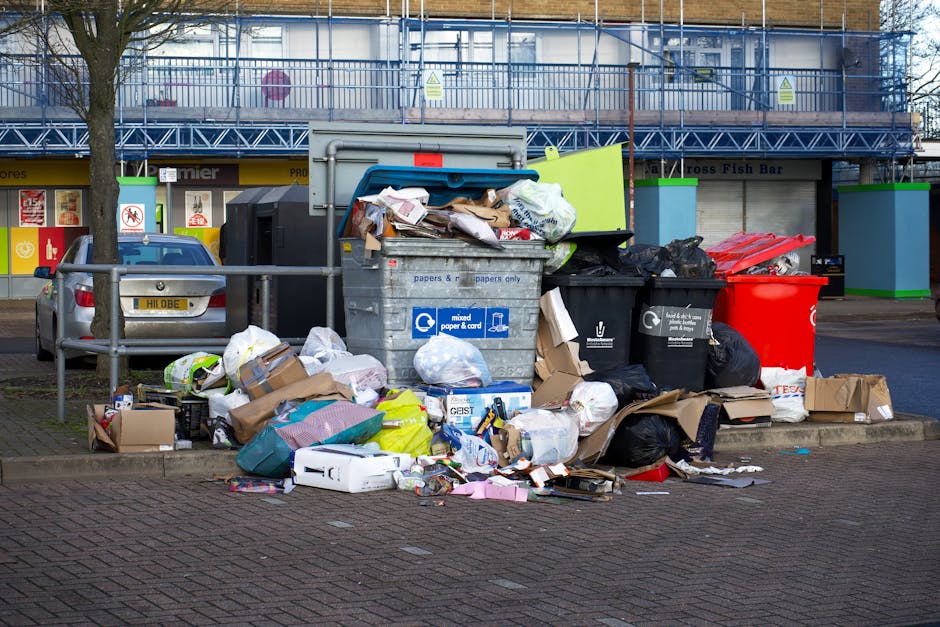
If you live in a flat or manage an HMO near Kingston Station, rubbish has a way of building up faster than anyone expects. One extra sofa in the hallway, a few bin bags left beside the wrong gate, a mattress after a tenant changeover, and suddenly the place looks untidy, smells a bit off, and feels harder to manage. This Kingston Station rubbish removal guide for flats and HMOs is here to make that job simpler, safer, and far less stressful.
Whether you are a landlord, letting agent, resident, or property manager, the real challenge is usually not "what to throw away" but how to remove it without upsetting neighbours, blocking shared access, or causing a complaint. Around Kingston Station, where buildings are often compact and access can be awkward, a clear plan matters. A lot.
In this guide, you will find practical steps, common mistakes, compliance notes, and a few real-world tips that make rubbish removal for flats and HMOs feel manageable instead of chaotic. And yes, there is a difference between a quick tidy-up and a proper clearance. Let's get into it.
Quick navigation
- Why this matters
- How rubbish removal works near Kingston Station
- Key benefits and practical advantages
- Who this guide is for
- Step-by-step guidance
- Expert tips for smoother removals
- Common mistakes to avoid
- Tools, resources and recommendations
- Law, compliance and best practice
- Options and comparison table
- Real-world example
- Practical checklist
- Conclusion
- Frequently asked questions
Why Kingston Station rubbish removal guide for flats and HMOs Matters
Kingston Station is a busy part of town, and that busyness affects waste just as much as it affects traffic or footfall. Flats and HMOs tend to produce a steady mix of everyday rubbish, bulky items, packaging, broken furniture, and occasional "we really need this gone now" situations. If you ignore it, small issues become shared problems pretty quickly.
In a single-family home, rubbish is usually straightforward. In a flat block or HMO, though, waste often sits at the intersection of access, responsibility, timing, and neighbour relations. One resident may think the bin store is for overflow. Another may leave items in the stairwell. A landlord may only discover the issue after a complaint lands in their inbox on a Friday evening. Truth be told, that is when people start looking for proper support.
Good rubbish removal matters here for several reasons:
- Shared spaces stay usable rather than cluttered or blocked.
- Fire and safety risks are reduced, especially in stairwells, landings, and entrances.
- Neighbour disputes are less likely, which is never a bad thing in a multi-let property.
- Tenancy turnovers run more smoothly, which helps when rooms need to be re-let quickly.
- The property presents better, whether for inspections, viewings, or day-to-day living.
If you are also thinking about the wider condition of a property, it can help to review related services such as house clearance in Kingston or the broader services overview to understand what kind of clearance support fits the job best.
And for landlords or sellers near the station, clean communal areas do more than look tidy. They quietly support occupancy, inspections, and how a property feels to prospective tenants. That matters more than people admit.
How Kingston Station rubbish removal guide for flats and HMOs Works
Rubbish removal for flats and HMOs near Kingston Station usually follows a simple logic: assess the waste, plan access, remove the items safely, and make sure the site is left clean. The details, of course, are where things can get messy.
In practice, the process often starts with a description or photos of the waste. For a flat or HMO, the key questions are usually:
- Is the waste bagged or loose?
- Are there bulky items such as beds, sofas, wardrobes, or appliances?
- Can the items be carried through communal areas without disruption?
- Is there parking or loading access near the building?
- Are there any time restrictions from the building or managing agent?
Once the situation is clear, a suitable removal plan can be put together. That might mean a same-day collection, a scheduled clearance for a quieter time, or a staged removal where bulky items are taken first and loose waste follows. For residents who just need a one-off uplift, waste collection in Kingston is often the most direct route. For larger furniture-heavy jobs, furniture disposal in Kingston may be the more relevant option.
One thing that catches people out is access. A building can look simple from the street and still be awkward once you factor in narrow staircases, lift restrictions, codes, parking permits, and the sheer reality of carrying a wardrobe down three flights without dinging the walls. It happens. A lot.
For HMOs, the job may also involve separating rubbish from reusable items, identifying landlord-owned furniture, and checking whether anything needs to be held back for inventory, safety, or deposit-return reasons. If the property is being fully emptied, clearance services can sometimes help if the space has mixed-use or office-style contents.
Key Benefits and Practical Advantages
A good removal plan is not just about making rubbish disappear. It can save time, prevent complaints, and reduce the sort of friction that builds up in shared housing. Small thing, big difference.
Here are the practical advantages most people notice first:
- Less disruption for residents - planned removal means fewer bags left in hallways and fewer awkward encounters in the corridor.
- Better hygiene - waste collected promptly is less likely to attract smells, pests, or damp-related issues.
- Safer common areas - stairwells and entrances stay clear, which is especially important in busier buildings.
- Cleaner property presentation - useful for inspections, check-ins, check-outs, or viewings.
- Less stress for landlords and agents - one reliable removal is usually easier than chasing several residents to move bits and pieces themselves.
There is also a quieter benefit: better relationships. In a well-run HMO, tenants notice when the property is managed properly. They might not say it out loud, but they notice. And neighbours certainly do.
For people who care about responsible disposal, it is worth looking at recycling and sustainability too. In many cases, the best waste solution is not just "remove everything", but remove, sort, and divert what can be reused or recycled where possible.
Who This Is For and When It Makes Sense
This guide is for anyone dealing with waste from shared or multi-occupancy housing near Kingston Station. That includes quite a mix of people, and each group tends to have slightly different pain points.
- Landlords who need end-of-tenancy clearances or periodic tidy-ups.
- Letting agents managing move-outs, property refreshes, or communal-area issues.
- HMO managers dealing with recurring waste in shared kitchens, hallways, and bin stores.
- Residents who need bulky items removed without upsetting the building or neighbours.
- Property investors preparing a flat for sale, refurbishment, or re-letting.
It tends to make sense when:
- a resident leaves behind furniture or bags of rubbish,
- the communal bins are full and overflowing,
- the bin store has become cluttered with mixed waste,
- a room or flat needs clearing before new occupants arrive,
- there has been a build-up after a refurbishment or furniture replacement,
- you need the job done quickly and neatly without bothering everyone in the building.
If your situation also overlaps with larger property changes, you may find related reading useful, such as builders waste disposal in Kingston for refurbishment-related debris, or effective property sales in Kingston if you are trying to present a unit well for sale.
And yes, if you are dealing with a particularly awkward HMO room after a tenant move-out, you are not alone. Most people underestimate how quickly a single room can gather a surprising amount of stuff.
Step-by-Step Guidance
Here is a practical way to handle rubbish removal for flats and HMOs near Kingston Station without overcomplicating it.
-
Identify the waste type
Start by separating ordinary bagged rubbish from bulky waste, electrical items, and anything that may need special handling. A mattress and a pile of bin bags are not the same job, even if they sit in the same hallway.
-
Check access and timings
Look at lift access, stair width, parking, loading bays, and any building rules. If the block has quiet hours or restricted collection times, factor that in before booking anything.
-
Take photos and estimate volume
Photos help avoid surprises. One small picture of a corner can hide a lot, so try to capture the full pile from a couple of angles. If you are unsure, compare the load with common items such as bin bags, chairs, or mattresses.
-
Decide what can stay and what must go
For HMOs, this is especially useful. Some items may belong to the landlord, some may be reusable, and some may need checking against the inventory before removal. A quick pause here can save an argument later.
-
Arrange removal at the right time
Choose a window that avoids peak resident movement where possible. Early morning can work well in some buildings, while in others late morning or early afternoon is calmer. You know your block better than anyone.
-
Prepare the route
Clear entry paths, prop open where appropriate, and protect surfaces if the building is delicate or newly decorated. A bit of prep saves a lot of awkward scraping sounds later.
-
Confirm disposal route and finish-up
Make sure the waste is taken to a proper disposal or recycling route, not dumped somewhere else. After removal, check the common areas, bin store, and entrance for stray debris or spills.
A short, calm process usually beats a rushed one. Every time.
Expert Tips for Better Results
These are the details that make a noticeable difference in flats and HMOs around Kingston Station. Not flashy. Just useful.
- Bundle similar items together so the load can be assessed quickly. Loose mixed waste slows everything down.
- Keep communal areas clear before the team arrives. If possible, ask residents not to leave shoes, prams, or deliveries in the route.
- Use labels for items to keep when clearing a room or shared cupboard. A tiny label can prevent a very tedious mix-up.
- Plan around resident routines. If a block is full of commuters or shift workers, the wrong timing can create avoidable friction.
- Check whether furniture can be dismantled. A wardrobe that comes apart is easier, safer, and often cheaper to remove than one carried intact down a narrow stairwell.
- Think about the next day, not just today. If waste keeps reappearing in the same spot, the issue may be storage, bin capacity, or resident communication rather than the collection itself.
One practical habit worth stealing: take a "before" photo of bin stores and hallways before any clearance. It helps with handovers, disputes, and simple peace of mind. Also, it is oddly satisfying to compare later. A small victory, but still a victory.
For customers who want to compare service scope or understand what is included, the pricing and quotes page can help set expectations before booking. And if safety is a concern, it is sensible to read the company's insurance and safety information as part of your decision-making.
Common Mistakes to Avoid
Most problems in flat and HMO rubbish removal come from a handful of avoidable mistakes. None are dramatic on their own, but together they can turn a simple clearance into a headache.
- Leaving waste in shared hallways too long - even a day or two can create complaints or safety issues.
- Underestimating volume - a few bags quickly become a van-full once cupboards, under-bed storage, and shared areas are checked.
- Ignoring building access rules - this can cause delays or awkward conversations with neighbours and building managers.
- Mixing reusable items with general rubbish - a shame if furniture or usable goods could have been separated.
- Forgetting tenancy or inventory checks - especially relevant in HMOs where room ownership and landlord items may overlap.
- Assuming all waste can be left by the bins - not always the case, and in shared buildings it can be a fast route to mess and resentment.
One slightly surprising issue is timing. A clearance done at the wrong time can create more friction than the waste itself. A quiet building in the morning can feel very different by evening when people are coming home, carrying shopping, or trying to get a child upstairs without dodging a sofa. Not ideal.
If the job is part of a bigger clean-out, house clearance support in Kingston may be more suitable than a simple uplift. The right fit matters more than the fanciest-sounding option.
Tools, Resources and Recommendations
You do not need a van and a full toolkit to manage every job, but a few practical tools and resources help a lot.
| Tool or resource | What it helps with | Why it matters in flats and HMOs |
|---|---|---|
| Photos from mobile phone | Assessing load size and item type | Makes quoting and planning far more accurate |
| Bin bags and labels | Sorting mixed waste and keeping items separate | Useful for room clearances and inventory control |
| Trolley or sack truck | Moving heavier bags and boxes | Helps in buildings with longer corridors or multiple floors |
| Surface protection | Reducing marks on hallways and entrances | Worth it in older buildings or newly decorated blocks |
| Recycling guidance | Separating reusable or recyclable materials | Supports responsible disposal and tidier outcomes |
As a practical recommendation, use a provider that explains its process clearly and gives you enough detail to make a decision without needing five follow-up emails. That sounds basic, but you would be surprised how often it saves time.
If you want to better understand how the company handles wider ethical and operational matters, pages like about us, payment and security, and the modern slavery statement can offer useful trust signals. For many readers, that reassurance matters just as much as the practical service itself.
Law, Compliance, Standards, or Best Practice
This section needs a careful tone, because rubbish removal touches on waste handling, safety, and property management responsibilities. The exact legal duties can vary depending on who owns the waste, where it is generated, and how it is transferred or disposed of. So, rather than making sweeping claims, it is best to stick to sensible UK best practice.
In general, for flats and HMOs, the safest approach is to:
- keep communal escape routes clear,
- avoid storing waste where it creates a hazard or nuisance,
- use a responsible and traceable waste collection route,
- separate items where recycling or reuse is practical,
- follow any building, landlord, or managing-agent instructions,
- avoid fly-tipping or leaving waste near public bins if it is not permitted.
If you are a landlord or HMO manager, best practice also means having a simple waste process for residents. That could be as straightforward as explaining bin day, what goes in which container, and how bulky waste should be reported. Clear instructions prevent a lot of nonsense later on.
For more general standards around responsible service and customer expectations, it can be helpful to review the site's terms and conditions and related policy pages. They are not the exciting bit, obviously, but they help set the ground rules properly.
Practical takeaway: if waste in a flat or HMO feels uncertain, cluttered, or potentially unsafe, treat it early rather than late. Early intervention is usually cheaper, tidier, and far less stressful.
Options, Methods, or Comparison Table
Different waste situations call for different approaches. A small bagged waste uplift is not the same as a whole-room or whole-flat clearance. Here is a simple comparison to help you decide.
| Option | Best for | Strengths | Watch-outs |
|---|---|---|---|
| Small waste collection | Bagged rubbish, light mixed waste, minor tidy-ups | Fast, straightforward, low disruption | Not ideal for bulky or heavy items |
| Furniture disposal | Beds, sofas, wardrobes, chairs, mattresses | Designed for awkward or large items | Access and dismantling may affect timing |
| House or flat clearance | End-of-tenancy jobs, full clear-outs, left-behind contents | Most comprehensive option | Needs clearer planning and more time |
| Builders waste disposal | Refurbishment debris, packaging, light construction waste | Useful after works or fit-outs | Not suitable for all hazardous materials |
If you are unsure which route fits best, start with the simplest question: is this normal household waste, bulky household items, or a broader clearance? That one question usually points you in the right direction.
Case Study or Real-World Example
Here is a realistic example based on the kind of situation many people face near Kingston Station.
A managing agent responsible for a small HMO notices that the communal hallway has started to fill with a mix of bin bags, broken shelving, and an old armchair. Nothing extreme. Just enough to feel untidy and slightly awkward whenever residents come and go. The issue has been building for a week or two, and a neighbour has now mentioned it in passing. You know how that goes: polite wording, but the message is clear.
Rather than trying to solve it with a quick "everyone please sort your stuff out" message alone, the manager first photographs the items, checks which belong to the communal area, and then separates the waste into: general rubbish, bulky furniture, and items that may be reusable. The removal is scheduled for a quieter mid-morning slot. Residents are told the route will be kept clear and that items should not be added after the agreed time.
The result is simple: the hallway is cleared in one visit, the bin store is easier to use again, and the building feels calmer almost immediately. Not glamorous, but effective. The real win is that the same issue does not come back the next day, because the underlying storage problem is also addressed.
If the building had been preparing for re-letting or sale, the next logical step might also have included a broader tidy-up or presentation service, especially if the property was being marketed or refurbished. That is where sensible coordination matters more than any one-off collection.
Practical Checklist
Use this checklist before arranging rubbish removal for a flat or HMO near Kingston Station.
- Identify the type of waste: bags, bulky furniture, appliances, mixed items, or clearance load.
- Take photos from more than one angle.
- Check access: stairs, lift, parking, permits, and loading restrictions.
- Confirm any building rules or quiet hours.
- Separate keep, recycle, donate, and remove piles where possible.
- Protect hallways or walls if the route is tight or recently decorated.
- Notify residents or neighbours if the removal could affect shared space.
- Make sure the disposal route is responsible and traceable.
- Do a final sweep of the entrance, stairwell, and bin store.
- Review whether a better bin-storage or waste routine is needed afterwards.
If you can tick most of those boxes, you are already ahead of the game. If not, no drama - just sort them before the waste starts multiplying.
Conclusion
Rubbish removal for flats and HMOs near Kingston Station is never just about getting rid of stuff. It is about keeping shared spaces safe, avoiding neighbour friction, and making sure the property feels looked after rather than neglected. With a clear plan, the whole process becomes much easier to manage.
The best results usually come from matching the right removal method to the right job, planning access carefully, and thinking a step ahead about storage, recycling, and timing. That is the difference between a rushed clear-up and a proper, tidy outcome that lasts longer than a single day.
If you are weighing up your options, start with the size and type of waste, then look at access, timing, and the level of service you actually need. A little thought at the start saves a lot of hassle at the end. And honestly, that is often the whole game.
Get a free quote today and see how much you can save.
For more background on the area and its mix of homes, you may also enjoy reading about whether Kingston is the place to live and Kingston's vibrant community. Different topic, yes, but it helps paint the picture of the local context.
And if you are planning a wider property move or investment decision, these guides on Kingston real estate and property sales in Kingston may be useful next reads.
 Tipper Van - Rubbish Removal and Rubbish Disposal Prices in Kingston, KT1
 Luton Van - Rubbish Removal and Rubbish Disposal Prices in Kingston, KT1


