Permit rules for bulky rubbish Kingston council guidance
Posted on 30/07/2026
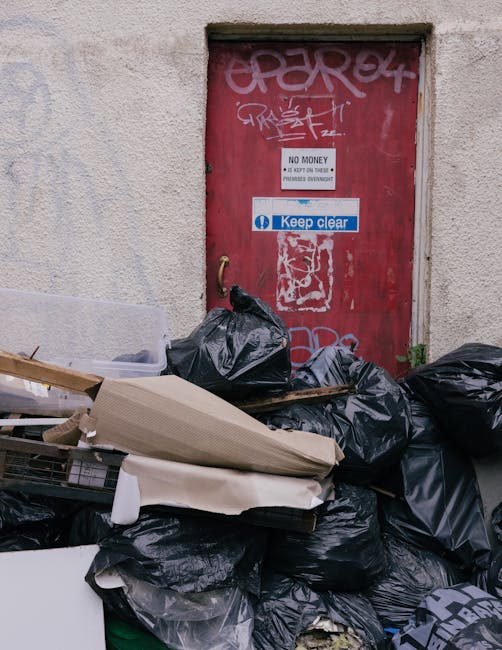
If you have a sofa in the hallway, a broken wardrobe in the spare room, or a mattress you cannot quite wrestle downstairs without scraping the walls, you are probably asking the same thing: do I need a permit, or can I just book a bulky rubbish collection and get it sorted? That is exactly where permit rules for bulky rubbish Kingston council guidance become useful. The answer is not always as simple as people hope, and that is fair enough. The rules depend on where the rubbish is being stored, how it will be removed, and whether the collection vehicle or container will use public land.
This guide breaks the topic down in plain English. You will learn when permits matter, how the process usually works, what common mistakes trip people up, and how to choose the cleanest, least stressful route. If you are dealing with a flat, an HMO, a busy household clear-out, or a builder's waste load that has somehow multiplied overnight, this should save you time and a few headaches.
- Why the rules matter
- How permit rules work in practice
- Benefits of getting it right
- Who needs this guidance
- Step-by-step guidance
- Expert tips
- Common mistakes to avoid
- Tools, resources and recommendations
- Law, compliance and best practice
- Comparison table
- Real-world example
- Practical checklist
- Conclusion
- Frequently asked questions
Why Permit rules for bulky rubbish Kingston council guidance Matters
Bulky rubbish can be deceptively awkward. One item looks manageable, then you realise it is too big for a normal bin, too heavy to drag yourself, and too messy to leave sitting around. In Kingston, as in most parts of London, the key issue is not just the waste itself. It is where it sits, how it is moved, and whether the collection method affects public space, neighbours, traffic, or safety.
That is why permit rules matter. If a skip, a loading bay, or a vehicle needs to occupy the road, pavement, or other public area, some kind of permission may be needed. If you ignore that part, a collection that seemed easy can quickly become expensive or delayed. And nobody wants a sofa abandoned outside for three days because the paperwork was overlooked.
For residents, landlords, letting agents, and tradespeople, understanding the basics helps you avoid nuisance notices, missed collections, and rushed rebooking. It also helps you decide whether a council route, a private bulky waste service, or a clearance team is the better fit. If your property has tight access, you may also find it helpful to read practical advice on rubbish collection for Kingston flats with narrow access, because access is often where the real problems begin.
Expert summary: The safest approach is to assume that any use of public space may trigger permit or permission requirements, then check the collection method before you book. That one habit prevents a lot of avoidable stress.
How Permit rules for bulky rubbish Kingston council guidance Works
The basic idea is straightforward: if your bulky rubbish can be removed entirely from private property without blocking roads, pavements, or shared access areas, permit issues may be minimal. If the collection needs something bigger, longer, or more intrusive on public land, permissions can become relevant.
In practice, people usually encounter permit questions in a few common scenarios:
- a skip is being placed on a road or pavement;
- a van or truck needs to stop in a restricted area to load items;
- builders' waste or household bulky waste is being staged where it may obstruct public access;
- loading takes longer than expected and affects neighbours or traffic;
- access is shared, narrow, or controlled by a management company.
A council or highway authority may require a permit depending on the exact location and activity. The details vary, and that is why blanket advice can be misleading. Truth be told, the word "bulky rubbish" covers a lot: worn-out wardrobes, broken appliances, old mattresses, unwanted furniture, garden debris, office furniture, even light builders' debris. The permit question is usually less about the item and more about the logistics.
If you are deciding between collection options, it helps to compare bulky waste pickup with full clearance or other waste services. The broader services overview can be useful when you are trying to figure out whether you need one-off removal or a more complete solution.
Key Benefits and Practical Advantages
Getting the permit side right is not just about compliance. It makes the whole job calmer and usually smoother.
- Fewer delays: No last-minute scramble because a vehicle cannot legally stop where you expected.
- Lower risk of extra charges: Rebooking a crew or moving a skip can cost more than the permit itself.
- Better neighbour relations: Nobody enjoys a blocking pile of furniture outside the block at 8am.
- Safer handling: Proper planning reduces lifting hazards and rushed manoeuvres in tight spaces.
- Cleaner outcomes: When access and timings are sorted, waste is usually removed in one controlled visit.
There is also a practical peace-of-mind benefit. If you are selling a property, moving out of a rented flat, or getting a place ready for new tenants, the last thing you want is a half-finished clearance scene hanging around. If you are working through a move or sale, you may find this guide to effective property sales in Kingston helpful because waste removal often sits right in the middle of the handover timeline.
And if cost control matters, which it usually does, it helps to understand the full picture before you commit. The article on hidden costs in Kingston rubbish removal is a sensible companion read because the cheapest-looking option is not always the cheapest once access, waiting time, or extras are added.
Who This Is For and When It Makes Sense
This guidance is most useful for people who need bulky waste removed and are unsure whether the council route, a private collection, or a clearance service is the right move. It especially applies if your item is too large for ordinary bins and too awkward to move without planning.
Typical readers include:
- homeowners clearing out a room, garage, loft, or garden shed;
- tenants leaving a property and dealing with left-behind furniture;
- landlords arranging end-of-tenancy clearances;
- letting agents managing flats, HMOs, or move-out waste;
- business owners clearing offices, storage rooms, or reception furniture;
- builders or decorators dealing with bulky renovation waste;
- people in flats where stairwells, courtyards, or parking restrictions make removal tricky.
It is also relevant if you live near a station, busy road, or tightly packed terrace where access is limited. In these situations, a collection that looks simple on paper can become awkward on the day. If that sounds familiar, the Kingston Station rubbish removal guide for flats and HMOs is worth a look because it reflects the sort of access headaches people run into in real life.
Sometimes the decision is not about a permit at all. Sometimes it is about whether you need help from a team that understands awkward access, narrow staircases, and timed parking. A lot of people discover that only once they are standing in the hall, arms folded, staring at an old wardrobe. Happens all the time.
Step-by-Step Guidance
Here is the simplest way to approach bulky rubbish without losing track of the rules.
- Identify the waste type. Is it furniture, household bulky waste, garden material, builders' debris, or mixed rubbish? Different waste streams may need different handling.
- Check where the item will be loaded. If removal happens entirely on private property, permit needs may be limited. If anything spills onto the road, pavement, or shared public area, stop and check the rules.
- Assess access honestly. Look at stairways, alleyways, parking restrictions, and turning space. A quick visual check now can save a lot later.
- Decide the removal method. Council bulky waste, private collection, man-and-van style removal, or full clearance all have different implications.
- Ask whether a permit or permission is needed. This may relate to parking, highway use, skip placement, or managed estate rules.
- Book with realistic timings. Don't assume the loading will only take ten minutes. It often won't.
- Prepare the items. Separate materials if possible, disconnect appliances safely, and make access as tidy as you can.
- Confirm what is included. Ask about labour, access constraints, permit responsibility, and whether the quoted service covers all waste.
One small but useful habit: take a minute to look outside before the booking day. Is there a bin lorry parked nearby? Are there school-run restrictions? Is there a shared driveway that always seems to fill up by midday? These tiny details matter more than people think.
For garden-related bulky waste, the rules can feel slightly different because green waste often seems "less formal" than furniture or construction waste. If your clear-out includes hedge trimmings, timber, or mixed garden rubbish, you may also want to review Kingston council rules for garden waste and rubbish disposal.
Expert Tips for Better Results
A few practical choices make a surprising difference.
- Measure bulky items before booking. A sofa or wardrobe may look manageable until it meets a narrow stairwell.
- Keep the loading route clear. Hallways, shared landings, and front paths should be free of obstacles.
- Photograph difficult access points. It helps whoever is arranging the collection understand what they are dealing with.
- Separate reusable items from waste. Not everything needs to be treated as rubbish, and sorting can reduce waste where appropriate.
- Book early for busy periods. End-of-month moves, weekends, and school holidays can be hectic.
- Be careful with mixed waste. Furniture, plasterboard, soil, and general household junk are often treated differently.
One thing we see regularly is people underestimating how long it takes to move items through a flat. What looks like a quick lift from the bedroom can become a full stairwell shuffle. By the way, if you have ever tried to pivot a sofa on a tight landing without knocking a picture off the wall, you know exactly what I mean.
For heavier clear-outs, especially when the pile seems to be expanding in the corner of the room every hour, a dedicated furniture removal service can be the calmer option. Furniture disposal in Kingston is often a better fit than trying to handle everything in one improvised trip.

Common Mistakes to Avoid
The most expensive mistakes are usually the ordinary ones.
- Assuming all bulky waste can be left outside. That can create access problems and may be treated as an obstruction.
- Forgetting about parking or stopping restrictions. The collection might be fine, but the vehicle may not be allowed to stop where you planned.
- Mixing waste streams. Builders' debris, household furniture, and garden waste may need different handling.
- Leaving everything until the last minute. Permits, permissions, and access checks all take time.
- Not checking block or estate rules. Private land can still have management restrictions, which people sometimes miss.
- Choosing the cheapest option without checking the details. Cheap quotes are lovely until they are not.
Another common issue is booking the wrong type of service for a property with narrow access. Flats, HMOs, and older terraces can make lifting and loading slower than expected. If that sounds like your situation, the article on common problems with Kingston rubbish booking and how to avoid them is a solid practical read.
And if you are trying to compare prices, timing, and service scope, the page on pricing and quotes can help you understand how proper estimates are usually put together.
Tools, Resources and Recommendations
You do not need a toolbox full of specialist gear, but a few basics make bulky rubbish removal far easier.
- Tape measure: Useful for checking whether large items will fit through doors and stairwells.
- Gloves and sturdy shoes: Basic, but worth saying. Slips and scrapes are annoying and avoidable.
- Phone camera: Great for documenting access points, item sizes, and any potential obstruction.
- Labels or marker pens: Helpful if you are separating keep, donate, recycle, and remove piles.
- Wrapping materials: Bubble wrap, blankets, or cardboard can protect walls and floors during lifting.
On the planning side, it helps to read the service information carefully before booking. If you want a broader view of how a waste company structures different jobs, the waste collection Kingston page and the house clearance Kingston page can be useful reference points.
For commercial or office clear-outs, the same permit logic can apply, but the practical pressures are different: timing, access, loading bays, and building management all matter. If that is your world, office clearance in Kingston is a relevant service category to review.
And if your project involves builders' debris, be extra cautious. The handling and site rules often become more complex than people expect. A dedicated builders' waste disposal Kingston resource can be the difference between a neat clear-out and a messy hold-up.
Law, Compliance, Standards, or Best Practice
In the UK, bulky waste, skips, highway use, parking, and waste transport are all areas where local rules and standard industry practice matter. The exact permit requirement depends on the activity, location, and who controls the space. That means you should be careful about assuming a one-size-fits-all rule.
As a practical matter, the safest best-practice approach is:
- treat public land as restricted unless you have confirmed otherwise;
- check whether your collection method needs permission before the job starts;
- make sure waste is handled by a properly insured and suitably managed provider;
- avoid blocking footways, entrances, emergency routes, or shared access areas;
- keep waste separated where that helps with recycling and handling;
- ask for clarity on responsibility when the collection needs parking or roadside loading.
This is also where trust matters. A proper provider should be able to explain how the job will be done, what access is needed, and whether any permit or permission issue is likely. If you want reassurance on operational standards, take a look at the insurance and safety information and the recycling and sustainability page. Those are useful indicators of how a company thinks about risk and responsibility, not just the collection itself.
Also, be mindful of privacy and payment when booking online. Small detail, maybe, but it matters. The privacy policy and payment and security pages help you see how those basics are handled.
If you are simply trying to understand the company behind the service before booking, the about us page gives useful context too.
Options, Methods, or Comparison Table
When people search for permit rules, they are often really asking, "Which removal method will be easiest and least risky for my situation?" Here is a straightforward comparison.
| Option | Best for | Permit or permission risk | Main advantage | Main drawback |
|---|---|---|---|---|
| Council bulky waste collection | Simple household items and planned clear-outs | Usually lower, but access and set-out rules still matter | Straightforward for routine items | Less flexible on timing and item type |
| Private bulky waste collection | Faster or more flexible removals | Can be higher if loading affects public space | More tailored to your property and schedule | Costs can rise if access is difficult |
| Full house clearance | Multiple rooms, end-of-tenancy, probate, relocations | Depends on parking, access, and estate rules | Efficient for larger jobs | Requires more planning |
| Skip-based removal | Ongoing DIY or renovation waste | Often the highest permit relevance if placed on public land | Convenient for ongoing filling | Needs space and careful placement |
For many households, the simplest choice is not the biggest one. It is the option that matches the access you actually have. A ground-floor flat with a clear driveway is one thing. A third-floor apartment with a narrow stairwell and no parking is quite another. Same item, different problem.
Case Study or Real-World Example
Imagine a typical Kingston flat move-out. A tenant has a broken bed frame, a wardrobe, two chairs, and an old mattress. Everything is ready to go, but the building has a shared entrance, a tight stairwell, and limited stopping space outside. At first glance, it feels like a simple collection. Then the details start stacking up.
The tenant checks the access route and realises the furniture cannot be left in the communal area for long without causing problems. The removal team is told about the narrow stairwell in advance, so the job is scheduled with enough time. The items are broken down where possible, the hallway is cleared, and the collection vehicle is arranged so it does not block access for neighbours.
What made the difference? Not luck. Planning.
That sort of job can go very smoothly when the access is explained properly, but it can unravel fast if someone assumes the sofa can just be "left outside for the morning." In a busy block, that tends to become a complaint by lunchtime. If you are dealing with a flat or HMO setting, the local guide on rubbish removal for Kingston flats and HMOs is one of the better reference points for this kind of scenario.
Sometimes the same-day angle matters too. If you need bulky rubbish gone quickly because a landlord inspection is coming or a sale deadline has landed on your desk, same-day rubbish collection in Kingston explains how urgency and timing can affect the final outcome.
And if your job really cannot wait, the availability notes on KT1 same-day rubbish collection availability are useful for understanding what faster turnaround can look like in practice.
Practical Checklist
Use this before you book or move anything onto shared space.
- Have I identified exactly what needs removing?
- Have I measured large items and checked access?
- Do I know whether the waste will be lifted from private or public land?
- Could parking, stopping, or loading restrictions apply?
- Have I checked estate, landlord, or management rules?
- Have I separated anything reusable, recyclable, or hazardous?
- Have I confirmed who is responsible for permits or permissions?
- Have I allowed enough time for loading and transport?
- Do I know the full price and any likely extras?
- Have I chosen the removal method that fits the access, not just the item size?
If you can tick most of those boxes, you are already ahead of the game. Honestly, that alone avoids a lot of the last-minute panic people feel when bulky rubbish starts taking over the lounge.
Get a free quote today and see how much you can save.
Conclusion
Permit rules for bulky rubbish in Kingston are not there to make life difficult. They exist because waste removal affects space, safety, neighbours, traffic, and access. Once you understand that, the whole thing becomes less mysterious. The key is to check the method, not just the item. A sofa, mattress, or old desk is only part of the story; where it is collected from matters just as much.
If you plan carefully, confirm access early, and choose the right type of service, bulky waste removal becomes much simpler. No drama. No blocked hallway. No awkward surprise on collection day. Just a clean finish and a bit more breathing room in the property.
And sometimes that is all you need: a tidy path, an empty room, and the quiet satisfaction of getting it done properly.

 Tipper Van - Rubbish Removal and Rubbish Disposal Prices in Kingston, KT1
 Luton Van - Rubbish Removal and Rubbish Disposal Prices in Kingston, KT1


