Waste carrier licensing and legal rubbish removal in Kingston
Posted on 18/08/2026
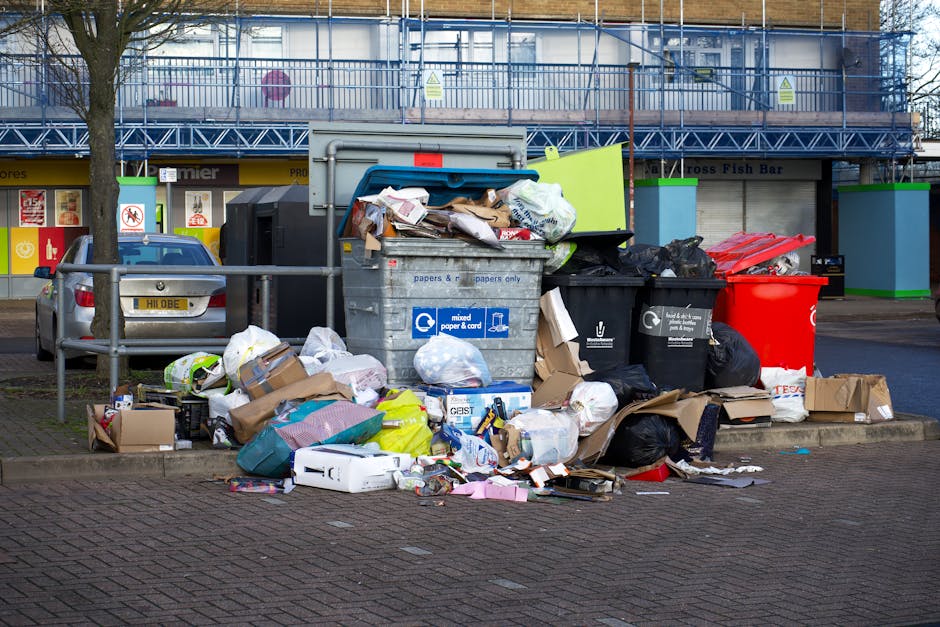
If you need rubbish taken away in Kingston, the licence side of it matters more than most people realise. A quick collection can look simple from the outside, but if the carrier is not properly licensed, or the waste is not handled correctly, the headache can land on you. That is especially true for landlords, homeowners, letting agents, builders, and anyone clearing a flat, office, garden, or bulky household items.
This guide explains waste carrier licensing and legal rubbish removal in Kingston in plain English. You will learn what a waste carrier licence means, how legal rubbish removal works, what to check before booking, and how to avoid the sort of mistakes that can lead to fines, disputes, or fly-tipping problems. It is practical, local, and designed to help you make the right call without getting lost in legal jargon. Truth be told, that is often half the battle.
- Why it matters
- How it works
- Key benefits
- Who needs this
- Step-by-step guidance
- Expert tips
- Common mistakes to avoid
- Tools, resources and recommendations
- Law, compliance, standards, or best practice
- Options and comparison table
- Case study or real-world example
- Practical checklist
- Conclusion
- Frequently asked questions
Why Waste carrier licensing and legal rubbish removal in Kingston Matters
Waste removal is not just a logistics job. In the UK, waste is a regulated material, and once it leaves your property, it still needs to be handled lawfully. That means the person collecting it should be authorised to transport waste, and the waste itself should be transferred, carried, and disposed of through legitimate routes.
Why does that matter in Kingston specifically? Because the area has the usual mix of tight access, flats, HMOs, period homes, commercial units, garden clearances, and busy streets where a sloppy collection creates instant problems. A skipped step can mean rubbish left on the pavement, blocked access, complaint calls, or worse, your waste turning up in a lay-by somewhere with your address on it. Not ideal. Not even close.
Legal rubbish removal protects you in three ways. First, it reduces the chance of fly-tipping connected to your waste. Second, it helps you avoid dealing with a rogue operator who disappears once the money is taken. Third, it gives you a paper trail if a landlord, managing agent, builder, or client later asks what happened to the waste.
If you want a broader look at how local services are usually structured, the services overview is a useful starting point. For readers who are comparing trusted disposal options, the site's recycling and sustainability approach also gives a sense of how responsible waste handling should be framed.
Expert summary: if a waste collector cannot show clear credentials, cannot explain where the waste goes, or avoids paperwork, treat that as a warning sign. Legal removal should feel straightforward, not mysterious.
How Waste carrier licensing and legal rubbish removal in Kingston Works
At a basic level, the process is simple. You arrange a collection, the waste is loaded, it is transported by a properly authorised carrier, and it is then sorted, reused, recycled, or disposed of through approved channels. The detail is where people get caught out.
What a waste carrier licence actually means
A waste carrier licence is the formal permission needed to transport waste in a lawful way. In practice, it signals that the operator is recognised as a legitimate carrier rather than just someone with a van and a ladder rack. That distinction matters. A lot.
For domestic customers, the biggest risk is not usually the licence number itself. It is what happens if the collection is illegal or the waste ends up dumped. If the carrier is unlicensed, or the paperwork is sloppy, the trail can lead back to the person who handed over the rubbish. That is why a quick check is worth the small effort.
How a lawful collection usually happens
- You describe the waste clearly. Bulky furniture, builders' rubble, garden cuttings, office clear-out items, or mixed household rubbish all have different handling needs.
- The collector confirms access and volume. Kingston properties can be awkward, especially flats, basements, and terraced houses with narrow paths.
- The price and scope are explained. A proper quote should make sense, not feel slippery.
- The waste is loaded safely. Good operators do this without damaging walls, lifts, stairwells, or communal areas.
- The waste is transferred lawfully. The carrier should be able to account for what was collected and how it was managed.
For anyone dealing with heavy items or a full room of furniture, it helps to read up on the practical side of furniture disposal in Kingston. If the job involves a whole property rather than a single item, house clearance in Kingston is often the more relevant service model.
The paper trail that should exist
You do not need to become a compliance expert. Still, there should be a basic record of what was collected and who collected it. For business customers, landlords, and anyone repeatedly producing waste, this becomes even more important. A proper trail helps show that waste was passed to a legitimate operator rather than abandoned, mixed badly, or moved on casually.
To be fair, the paperwork is not glamorous. But the paperwork is what makes the whole thing defensible if questions come later.
Key Benefits and Practical Advantages
Legal waste removal is not just about avoiding trouble. It actually makes the job easier, cleaner, and more predictable. Once you know the carrier is licensed and the route is legitimate, the whole process tends to run with fewer surprises.
- Lower legal risk: you reduce the chance of being linked to fly-tipping or improper disposal.
- Better service consistency: licensed operators are usually more structured about collection, transport, and handover.
- Cleaner reputation: especially useful for landlords, agents, and businesses that cannot afford complaints.
- Safer handling: qualified teams are more likely to use sensible lifting and loading methods.
- More reliable recycling: a lawful operator is more likely to separate recyclable material properly.
- Fewer delays: the process is less likely to stall because of missing permissions or poor planning.
There is also a practical local benefit. Kingston has a busy property market, a steady flow of refurbishments, and plenty of one-off clearances. If you are moving quickly, selling a place, or preparing a flat for new tenants, compliant removal keeps things moving. If you are interested in the property side of that, the article on effective property sales in Kingston and the guide to building wealth with Kingston real estate show how clearance and presentation often connect.
And yes, it can save money in the long run. Cheap rubbish removal is only cheap if nothing goes wrong. Otherwise, the hidden costs arrive later, usually with a bit of attitude attached.
Who This Is For and When It Makes Sense
This topic is relevant to almost anyone generating waste in Kingston, but some groups need to care a lot more than others.
Homeowners and tenants
If you are clearing out a loft, replacing furniture, or getting rid of a pile of bagged rubbish, the risk is usually simple: you want a lawful collection that does not leave you with a mess on the driveway or outside a block of flats. Residents in shared buildings often need extra care because communal areas can be sensitive. If that sounds familiar, the Kingston station rubbish removal guide for flats and HMOs is a useful companion read.
Landlords, letting agents, and property managers
These users need documentation and predictability. End-of-tenancy clearance, abandoned items, and urgent turnaround jobs are common. One missed step can become a tenant dispute or a building complaint, and nobody enjoys that on a Friday afternoon.
If you manage properties with awkward access, the article on rubbish collection for Kingston flats and narrow access solutions speaks directly to that reality.
Builders, decorators, and trades
Construction and refurbishment waste can be heavier, dustier, and more mixed than standard household rubbish. Bricks, plasterboard, timber offcuts, old kitchen units, and packaging all need sensible sorting. If your job involves renovation debris, builders waste disposal in Kingston is the better fit than a general tidy-up service.
Offices and local businesses
Desks, chairs, archived files, packaging, IT waste, and general office clutter all benefit from a licensed carrier. Businesses are usually less forgiving of sloppy timing too. If you are clearing work premises, office clearance in Kingston is worth looking at alongside legal compliance.
Garden, seasonal, and bulky waste users
Garden clearances are a classic example of something that looks simple but can become tricky. Soil, branches, bags of cuttings, and old fencing all need the right treatment. For seasonal tidy-ups, garden waste removal in Kingston can save a lot of back-and-forth.
Step-by-Step Guidance
If you want to book legal rubbish removal without hassle, follow a simple process. Nothing fancy.
- Identify exactly what you need removed. List the items, estimate the volume, and note any awkward pieces such as mattresses, rubble, or white goods.
- Check whether the job is domestic, commercial, or construction-related. Different waste streams can need different handling.
- Ask whether the carrier is licensed. You do not need a lecture. Just ask plainly and expect a clear answer.
- Ask what happens to the waste. A trustworthy operator should be able to explain the route in simple terms.
- Confirm access details. Think parking, stairs, lifts, narrow gates, permits, and loading restrictions.
- Request a written quote or clear price explanation. This is especially important if the waste volume might vary.
- Prepare the items before collection. Separate reusable items, remove personal paperwork, and keep anything you want to retain away from the pile.
- Get a collection record if one is offered. For business waste, this can be particularly useful.
- Keep your own note of the service date and what was taken. Slightly boring, yes, but very handy later.
If you are comparing providers, it can also help to review general pricing guidance first. The pricing and quotes page can make it easier to understand what should be included and what should not.
Expert Tips for Better Results
After a lot of waste jobs, the difference between a smooth collection and a frustrating one usually comes down to preparation and clarity. A few small habits make a big difference.
- Separate the obvious categories first. Mixed piles are slower to assess and easier to misquote.
- Photograph the waste before the visit. It helps reduce disputes about volume and access.
- Clear a route to the items. A tidy hallway or garden path can save serious time.
- Tell the truth about the pile size. People often understate the amount. Then the van arrives and everyone does that awkward little pause.
- Ask about recycling before booking. Legal removal does not automatically mean strong recycling, so if that matters to you, ask.
- Check whether the team can handle awkward items safely. Fridges, sofas, broken cabinets, and builder's rubble all have different handling needs.
One local observation: in Kingston, access is often the real challenge, not the waste itself. Parking on a busy street, moving items through shared entries, or carrying bags down narrow stairs can take more time than the lifting. That is why experienced operators plan the route before they start. Simple, but surprisingly rare in rushed jobs.
If your removal sits alongside sustainability goals, the site's recycling and sustainability information is worth a look. It helps set the expectation that waste should be dealt with responsibly, not just moved quickly.

Common Mistakes to Avoid
Most issues in legal rubbish removal are preventable. They tend to come from assumptions, haste, or a price that looked too good to be true. Usually it was.
1. Not checking the carrier's status
The biggest mistake is assuming anyone with a van can legally remove waste. That is not how it works. If they are not properly authorised, you can end up exposed if the waste is dumped.
2. Booking on price alone
A low quote is not useful if the job ends in extra charges, missed collections, or poor handling. A clearer quote from a reliable operator is often better value.
3. Failing to explain access problems
Kingston properties can be awkward. If the operator turns up expecting easy frontage access and instead finds a third-floor walk-up, everybody loses time. Mention it early.
4. Mixing hazardous items with general waste
Some materials need special handling. If you are unsure about paint, chemicals, fridges, or electrical equipment, ask before they are loaded. Do not assume.
5. Leaving personal documents in the pile
Paper files, old statements, labels, and packaging can contain information you would rather not hand over carelessly. A quick check saves the regret.
6. Ignoring local practical issues
Parking, permit needs, building rules, and neighbour access can all affect the collection. For busy streets and permit-heavy streets, the local guidance around permit rules for bulky rubbish in Kingston is particularly relevant.
A small but common one: people book a collection and then forget to ask where the waste should be placed. That tiny detail can turn into a long wait on collection day. Easy to avoid, easy to overlook.

Tools, Resources and Recommendations
You do not need a toolkit to arrange lawful rubbish removal, but a few practical resources make life easier.
- Photos of the waste: invaluable for getting a realistic quote.
- Simple measurements: length, width, and approximate pile height help with volume estimates.
- Access notes: stair count, parking distance, lift availability, and gate width matter more than people think.
- Item list: especially useful if the pile contains mixed waste or fragile pieces.
- Check your service type: compare general waste collection, clearance, furniture disposal, and specialist builder waste before booking.
If you are not sure which service fits your situation, the waste collection in Kingston page is a useful baseline, while furniture disposal in Kingston and builders waste disposal in Kingston help narrow the choice.
For service-area context and a broader company picture, some readers also like to browse about us and the insurance and safety information. That is not the glamorous part, but it is the part that tells you whether the operator takes risk seriously.
Law, Compliance, Standards, or Best Practice
Without pretending to give legal advice, there are a few common-sense compliance points that should guide any waste removal decision in Kingston.
First, waste must be transferred to a legitimate carrier. If you are the person handing the waste over, you should satisfy yourself that the operator is properly authorised and acting responsibly. That is the essence of the issue.
Second, records matter. Business customers, landlords, trades, and managing agents should keep some evidence of who took the waste, when, and what kind of material it was. Even for household jobs, a simple invoice or booking record can help.
Third, the waste should be separated sensibly. Mixed loads are common, but sensible segregation improves recycling and lowers the chance of improper disposal. It also tends to reduce friction on the day.
Fourth, local rules and access constraints should be respected. In a place like Kingston, that means paying attention to parking, loading, estate access, and nearby residents. A considerate collection is usually a lawful one, but not always. Still, there is overlap.
Fifth, hazardous or restricted items deserve extra caution. If the load includes electricals, sharp materials, chemicals, fridges, or potentially contaminated items, ask how they are handled. If the answer is vague, that is your cue.
There are also standards of behaviour that are not written on a wall anywhere but matter all the same: arrive when promised, handle waste without damage, explain what is happening, and do not disappear once payment is made. Fairly basic, really, but not every operator manages it.
Options, Methods, or Comparison Table
Different waste situations call for different solutions. Here is a straightforward comparison to help you choose the right route.
| Option | Best for | Strengths | Watch-outs |
|---|---|---|---|
| Licensed waste carrier | Most household, trade, and commercial removals | Legally accountable, usually efficient, easier to verify | Quality still varies, so ask about access and disposal method |
| House clearance service | Full or partial property clear-outs | Good for mixed items, time-saving, practical for estates and moves | May need clear instructions about valuables and what stays |
| Furniture disposal | Sofas, beds, wardrobes, and similar bulky pieces | Focused handling, less effort for the customer | Check for dismantling needs and stair access |
| Builders waste disposal | Renovation and refurbishment debris | Suited to heavy, dusty, mixed loads | Requires accurate description of waste type and quantity |
| Garden waste removal | Cuttings, branches, turf, fencing, and outdoor clutter | Handy after seasonal work or garden projects | Soil, timber, and treated materials may need different handling |
There is no single best option for everyone. The right choice depends on what you are moving, how much there is, and how quickly it needs to go. If you are dealing with narrow access or a flat in a busy part of town, the operational detail matters just as much as the waste type. The article on common problems with Kingston rubbish booking and how to avoid them is a sensible read if you want to sidestep the usual friction points.
Case Study or Real-World Example
Here is a typical Kingston scenario, slightly anonymised but very familiar.
A landlord has a one-bed flat to prepare between tenancies. The previous tenant has left a worn sofa, a broken dining chair, a chest of drawers, a few bags of general rubbish, and some old paperwork. The hallway is narrow, the building has shared access, and parking is limited. On paper it looks like a quick job. In reality, it needs planning.
Before booking, the landlord takes photos and gives a clear list of items. They ask whether the carrier is licensed and how the waste will be handled. They also mention the awkward stairwell and the fact that the front space can only be used for a short loading window. That one conversation saves a lot of messing about.
On the day, the team arrives with the right expectation, clears the items carefully, protects the walls during removal, and keeps the communal area tidy. The waste is then transferred through lawful channels. No drama, no leftover pile in the hallway, no awkward messages from neighbours. Just a completed job.
This kind of thing happens all the time, and it is rarely about luck. It is usually about giving the carrier enough information up front. A small detail, but it matters.
Practical Checklist
Use this before any rubbish removal booking in Kingston.
- Confirm what exactly needs to go
- Check whether the waste is general, bulky, garden, builder, or office-related
- Ask if the carrier is properly licensed
- Request a clear quote and ask what it includes
- Share access details, parking limits, and any building restrictions
- Remove items you want to keep before collection day
- Separate any hazardous or uncertain materials
- Take photos of the waste pile if useful
- Ask what happens to recyclable items
- Keep the invoice or service record for your files
- Make sure communal spaces are left clean and usable
If you tick most of those boxes, you are already ahead of the average customer. Honestly, quite a lot ahead.
Conclusion
Waste carrier licensing and legal rubbish removal in Kingston is really about one thing: making sure your waste is handled responsibly from start to finish. That protects you, keeps your property or business in good shape, and lowers the chance of unpleasant surprises later. It also makes the whole process more professional, which is something people appreciate once they have seen both the good and the bad.
If you remember nothing else, remember this: ask who is carrying the waste, ask how it will be handled, and give clear information about the job before anyone arrives. That simple approach avoids most problems and usually gives you a smoother, faster result. Not flashy, just sensible.
Get a free quote today and see how much you can save.
 Tipper Van - Rubbish Removal and Rubbish Disposal Prices in Kingston, KT1
 Luton Van - Rubbish Removal and Rubbish Disposal Prices in Kingston, KT1


