Canbury Gardens bulky rubbish collection insider tips Kingston
Posted on 08/05/2026
Canbury Gardens Bulky Rubbish Collection Insider Tips Kingston
If you live near Canbury Gardens, you'll know bulky rubbish has a habit of showing up at the worst possible moment. A sofa that will not fit through the hall. A broken wardrobe leaning in the spare room. Garden debris after a weekend tidy-up that looked manageable until the wheelie bin gave you the look. This guide to Canbury Gardens bulky rubbish collection insider tips Kingston is here to make the whole thing simpler, faster, and less stressful.
We'll cover how bulky waste collection works in practical terms, what to do before booking, how to avoid common mistakes, and which options make the most sense depending on the type and volume of waste. You'll also find local context, safety advice, and a realistic checklist you can use before anything leaves your property. Truth be told, a little planning saves a lot of hassle.
For readers who are comparing services or exploring broader disposal options, it can also help to look at the wider waste collection services in Kingston and the company's pricing and quote guidance before you commit.
Why Canbury Gardens bulky rubbish collection insider tips Kingston Matters
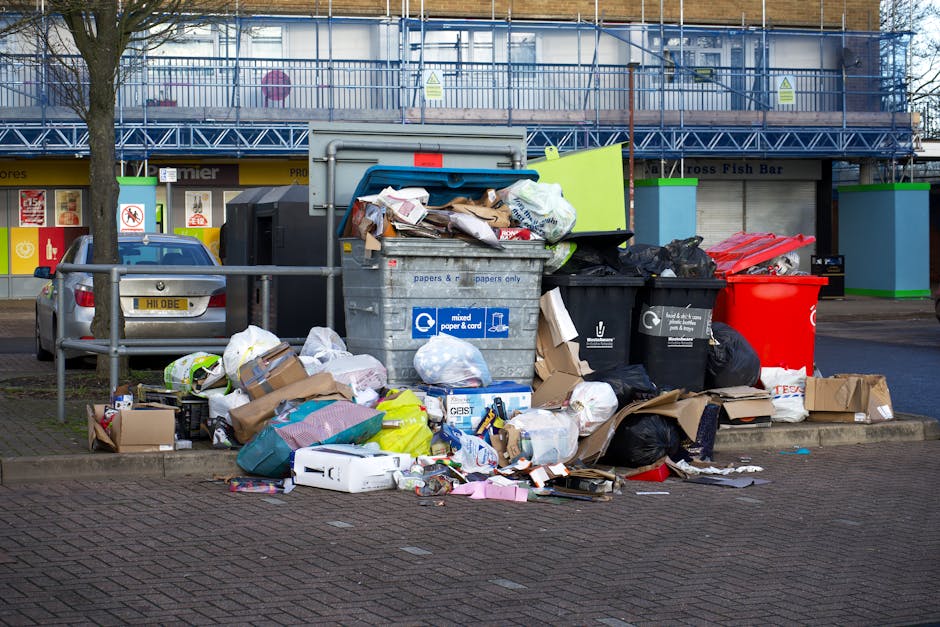
Bulky rubbish is not the same as an everyday black bag or a couple of cardboard boxes. It is the awkward stuff: bed frames, mattresses, tables, white goods, shelving, and the "I'll sort that later" pile that quietly grows in a corner. Around Canbury Gardens, where homes range from flats and terraces to larger family properties, bulky waste can become a real nuisance quickly.
The local relevance matters too. Kingston has busy streets, parking pressures, and properties where access can be tight. If you leave bulky items outside for too long, they can block pavements, attract complaints, or simply get in the way. And nobody wants a rainy evening spent dragging a heavy wardrobe down narrow steps. Not glamorous. Not fun.
Good bulky rubbish collection is about more than removal. It's about making the process safe, legal, efficient, and respectful to neighbours. That's why local knowledge helps. A service that understands Kingston's housing layout, access issues, and collection timings can save you a surprising amount of time and stress.
If you're dealing with a full property clear-out rather than just one or two items, the broader house clearance service in Kingston may be a better fit. For lighter but still sizeable items, the dedicated furniture disposal option can be the simpler route.
There's also a community angle here. Canbury Gardens sits within a part of Kingston that people use, live in, and move through every day. Keeping bulky waste under control helps preserve that pleasant, lived-in feel. If you're interested in how local life shapes the area, you might enjoy reading about Kingston's vibrant community and the broader discussion of what makes Kingston a place people want to stay.
How Canbury Gardens bulky rubbish collection insider tips Kingston Works
At a practical level, bulky rubbish collection usually follows a straightforward pattern. You identify the items, decide whether they can be reused, recycled, or disposed of, then arrange collection or transport. The real difference is in the details: what the items are made of, how many there are, where they are located, and how easy they are to remove.
Most bulk collections begin with a short assessment. That might be done from photos, a written list, or a brief visit if the load is especially awkward. If you have a mix of furniture, garden waste, and general junk, it helps to separate things in advance so the collection can be planned properly. This avoids the classic "oh, and there's also the old filing cabinet in the shed" moment.
Some items are more straightforward than others. A dismantled bed frame is usually easier to handle than a two-piece wardrobe still fully assembled. A few bags of garden cuttings are simple; a wet, compacted heap of branches and soil is not quite so simple. Timing matters too. Early collection can be useful if you need clear access for decorators, movers, or a tenancy handover.
For trade, renovation, or strip-out work, bulky rubbish often overlaps with heavier construction debris. In that case, a specialised builders waste disposal service is often the more suitable route. And if the waste includes office furniture, filing cabinets, or surplus equipment, the dedicated office clearance service can be a better fit than a general collection.
One useful point many people miss: access shapes the whole job. Stairs, lifts, tight hallways, and parking restrictions can all affect how long a collection takes and what team size is needed. So yes, the item matters. But the route out of the property matters just as much.
Key Benefits and Practical Advantages
There are some obvious benefits to arranging bulky rubbish collection, but the less obvious ones are often the most valuable.
- Safer removal: Heavy items can strain backs, scratch walls, or trap fingers. A proper collection reduces that risk.
- Less clutter: Clearing space quickly makes a room feel usable again. Even one bulky item can make a room feel half-finished.
- Better property presentation: Useful if you're renting, selling, or preparing a home for photos.
- More efficient recycling: Mixed bulky waste can often be separated and handled more responsibly than a last-minute dump run.
- Time saved: No van hire, no endless lifting, no parking drama. That alone is worth a lot to many people.
There's also a planning benefit. Once bulky waste is removed, the next job becomes much easier. Repainting a room feels manageable. Cleaning the garage feels possible. Even sorting the loft stops feeling like a war zone. Small win, but a real one.
If sustainability matters to you, choosing a provider that explains sorting and disposal clearly can make a difference. You may want to review the company's recycling and sustainability approach before booking, especially if your rubbish includes items that can be reused or separated.
For a few households, the biggest benefit is peace of mind. That sounds soft, but it isn't. Knowing the waste has been handled properly means one less loose end hanging around.
Who This Is For and When It Makes Sense
Bulky rubbish collection in Canbury Gardens makes sense for a wide range of people, not just homeowners doing spring cleaning. In fact, it often solves quite specific problems.
- Residents moving out: When you need to clear large items fast before keys are handed back.
- Landlords and letting agents: Useful after a tenancy ends or when replacing damaged furniture.
- Homeowners renovating: Ideal for old carpets, cupboards, broken units, and room clear-outs.
- Tenants in flats or HMOs: Especially relevant where stairs, shared entrances, and limited storage complicate disposal. A related guide on rubbish removal for flats and HMOs near Kingston Station is worth a look if that sounds familiar.
- Garden owners: Helpful after pruning, fence replacement, or a full tidy-up. For that, a garden waste removal service may be the cleanest option.
- Small businesses: Good for office chairs, desks, display units, or old stock.
It also makes sense when local council-style collection is not practical for the size, urgency, or access requirements of the job. Some people wait too long and end up surrounded by items they cannot move themselves. That's usually the moment they decide enough is enough.
To be fair, if you only have a single small item, you may not need a full collection service. But once the pile starts multiplying, a structured removal is usually the calmer choice.
Step-by-Step Guidance
Here is a practical way to handle bulky rubbish without turning the day into a mess.
- List every item clearly. Write down what needs to go. Include size, material, and whether it can be dismantled.
- Separate reusable or recyclable items. Metal, wood, furniture, and green waste may be handled differently.
- Check access. Think about stairs, lifts, parking, narrow gates, and whether items must be moved from the back garden.
- Take photos. Good images help with quoting and avoid surprises on the day.
- Ask about what's included. Confirm lifting, loading, disposal, and any extras for awkward access.
- Prepare the route out. Move smaller obstacles, protect floors if needed, and make doorways clear.
- Choose a collection time that fits your schedule. Morning jobs often work well if you're coordinating with cleaners, movers, or trades.
- Keep the area visible and accessible. If items are in a shed, basement, or locked room, make sure the team can reach them.
A small example: if you have a sofa, a broken ottoman, and two bedside cabinets, it may look like a quick job. But if the sofa has to be turned sideways down a tight staircase, the time and labour change. Details like that matter. A lot.
When booking any waste job, it's also wise to compare service details rather than just looking at the headline price. The right provider should make the process feel clear, not mysterious. If things feel vague, ask more questions. Simple.
Expert Tips for Better Results
These are the kind of small things that can save time and reduce hassle. They are not dramatic, but they work.
- Dismantle what you safely can. Flat-pack furniture, bed frames, and shelving often take less time and space when broken down first.
- Keep fixings in a labelled bag. This helps if you might reuse the item or need parts later. Tiny thing, big relief.
- Dry out garden waste where possible. Wet branches and soil are heavier than they look, and nobody enjoys carrying sludge through a hallway.
- Group similar materials together. It makes sorting and recycling simpler.
- Photograph damaged items before collection. Helpful if you need a record for a landlord, agent, or insurance file.
- Book before the deadline crunch. Move-out week and end-of-project cleanup always feel busier than expected. Always.
One practical tip people overlook: if you have mixed waste, place the most awkward items nearest the exit. That keeps the load-out smoother and avoids needless shuffling. It sounds tiny, but on a tight stairwell it can be the difference between a neat job and a frustrating one.
If you're unsure whether the waste should be treated as general bulky waste or something more specialised, it's safer to ask first. A quick clarification now is better than a delay on collection day.

Common Mistakes to Avoid
Most bulky rubbish issues come from simple planning mistakes, not anything complicated. The good news is they are easy to avoid once you know what to look for.
- Leaving everything until the last minute: This is the biggest one. The job becomes rushed and more expensive-looking than it needs to be.
- Not checking access: Narrow stairs or parking restrictions can catch people out, especially in busier parts of Kingston.
- Mixing in restricted items without asking: Some items need special handling, so always confirm before adding them to the pile.
- Assuming all "junk" is the same: It isn't. Furniture, green waste, and renovation waste are often handled differently.
- Forgetting disassembly: A wardrobe still built like a fortress is much harder to move than a dismantled one.
- Choosing purely on price: Cheap can be fine, but unclear service details tend to cost more in stress later.
A particularly common one around residential streets is underestimating parking. The van may be able to reach the property, or it may not. If a collection team has to park further away and carry items a longer distance, that can affect the job. Not ideal, and avoidable with a quick check.
Also, don't leave bulky items on the pavement "just for a bit" unless you know exactly what's permitted and when collection is happening. It can create problems for neighbours and passers-by. Better to keep things contained.
Tools, Resources and Recommendations
You do not need a house full of equipment to arrange bulky waste properly, but a few simple tools can help.
- Tape measure: Useful for checking if items will fit through doors or stairs once dismantled.
- Basic screwdriver or hex key set: Handy for removing legs, shelves, or bed slats.
- Heavy-duty gloves: A sensible precaution for splintered wood, dust, or sharp edges.
- Phone camera: Great for taking item photos and access pictures for quotes.
- Marker pen and labels: Useful if you are sorting what stays, what goes, and what needs to be donated.
As for useful resources, the strongest starting points are usually:
- general waste collection in Kingston for broader disposal needs
- the company's about page if you want to understand who you're dealing with
- insurance and safety information for peace of mind on lifting and handling
- payment and security details if you want to check how booking and payment are managed
For people who like to make sensible comparisons, it also helps to browse the wider service area and think about what exactly you need. One large piece of furniture is one thing. A full garage, three broken wardrobes, and a stack of garden offcuts is another. Slightly different beast, that.
Law, Compliance, Standards, or Best Practice
Without getting lost in legal weeds, there are a few common-sense compliance points worth keeping in mind in the UK.
First, waste should be transferred to a legitimate carrier or service that can explain how it handles disposal. You do not want items left in a grey area, and you definitely do not want to be associated with fly-tipping. If a collection provider cannot explain what happens next, that is a red flag.
Second, some items require special care. Mattresses, fridges, electricals, and certain renovation materials may need specific handling depending on the make-up of the load. That does not mean they are difficult every time, but it does mean you should ask first rather than assume.
Third, safe lifting and route planning matter. Heavy, awkward, or damaged items can cause injury if rushed. Good practice is simple: protect floors where needed, keep pathways clear, and avoid moving oversized items alone if they are unstable.
Finally, if you are a landlord, agent, or business owner, clear documentation helps. Keep records of what was removed, when, and by whom. That can be useful for handovers, compliance, and general housekeeping. Not glamorous paperwork, admittedly, but handy when something needs explaining later.
For anyone interested in the values behind proper disposal and sourcing, the company's modern slavery statement is also part of the trust picture, alongside its wider policy pages such as privacy, terms and conditions, and accessibility information.
Options, Methods, or Comparison Table
Choosing the right disposal method depends on urgency, item type, access, and how much sorting you want to do yourself. Here's a practical comparison.
| Method | Best for | Pros | Limitations |
|---|---|---|---|
| General bulky waste collection | Mixed household items, one-off clear-outs, moderate volumes | Convenient, quicker than self-haul, less physical effort | May need item details and access info in advance |
| Furniture disposal | Sofas, tables, beds, wardrobes, office chairs | Good for large single-item or small mixed furniture loads | Very large clear-outs may need a broader service |
| House clearance | Whole rooms, move-outs, probate, end-of-tenancy clears | Most efficient for large volumes and mixed contents | Can be more involved than a basic collection |
| Garden waste removal | Branches, soil, hedge cuttings, old fencing | Separates green waste from general rubbish | Wet or heavy material can change handling needs |
| Builders waste disposal | Renovation debris, timber offcuts, rubble, mixed trade waste | Designed for heavier, messier project waste | Not the right choice for standard household furniture |
The best method is usually the one that matches the waste, not the one that sounds simplest at first glance. That distinction saves people a lot of bother.
Case Study or Real-World Example
Imagine a small flat near Canbury Gardens after a tenancy ends. The outgoing tenant has left a broken sofa, a bed base, a coffee table, and a few bags of mixed household clutter in the living room. Nothing outrageous. But the hallway is narrow, the lift is small, and the move-out deadline is close.
The sensible approach is to photograph everything, measure the larger pieces, and identify anything that can be dismantled. The bed base comes apart. The coffee table is light but awkward. The sofa needs two people and careful turning at the corner. If the team knows this in advance, the collection can be planned efficiently, and the room can be cleared without a scramble.
Now compare that with a rushed approach: items left in the hall, no photos, no access notes, and the landlord asking for the flat to be returned by lunchtime. That's when stress jumps. It's not the waste itself that creates the headache. It's the lack of preparation.
In a nearby family home, the pattern is different. The garage has grown into a long-term storage zone: broken shelf units, a rusting exercise bike, old garden furniture, and a freezer that stopped working months ago. In that case, a house-clearance-style visit may be better than trying to handle each piece separately. The job becomes clearer once someone sorts the mix and handles the loading in one go.
That's the real insider tip, if you want one: match the service to the mess, not just the item count.
Practical Checklist
Use this before you book or on the day of collection.
- List all bulky items in one place
- Separate furniture, garden waste, and renovation waste
- Measure large pieces and note tight access points
- Take clear photos in good light
- Check whether anything can be dismantled safely
- Clear the path from item to exit
- Confirm parking or access arrangements
- Ask about recycling or reuse where relevant
- Keep documents for tenancy, landlord, or business records if needed
- Double-check collection time and contact details
Expert summary: The smoothest bulky rubbish jobs in Canbury Gardens usually come down to three things: clear photos, honest access details, and the right type of service for the load. Get those right, and the rest becomes much easier.
Conclusion
Canbury Gardens bulky rubbish collection does not need to be a stressful scramble. With a bit of planning, you can get large items removed safely, legally, and with far less disruption than a last-minute clear-out usually causes. The best results come from matching the collection method to the waste, checking access before the booking, and choosing a provider that is transparent about what happens next.
Whether you are dealing with one battered sofa, a garden overhaul, or a fuller property clear-out, the same logic applies: be specific, be prepared, and do not leave the awkward bits for later. Later tends to become heavier.
And if you live locally, there is a nice side effect too. A tidier home or garden often makes the whole place feel calmer, almost like the room can breathe again. Small thing, maybe. But it matters.
Get a free quote today and see how much you can save.