Rubbish collection for Kingston flats narrow access solutions
Posted on 18/06/2026

If you live in a Kingston flat with a tight stairwell, a shared hallway, or a courtyard that seems designed by someone who never moved a sofa, you already know the problem. Standard bin-day routines do not always work, and bulky rubbish can quickly become awkward, noisy, and stressful. This guide to rubbish collection for Kingston flats narrow access solutions explains how the process works, what to prepare, and how to avoid the usual headaches without turning your corridor into a weekend disaster zone.
Whether you are clearing a few bags, getting rid of furniture, or handling a landlord changeover, narrow access needs a different approach. It is less about brute force and more about planning, timing, and choosing the right collection method. Let's face it, the last thing anyone wants is a couch stuck halfway down a staircase at 7:30 on a damp Tuesday morning.
Below, you will find a practical, local-first breakdown of the options, the trade-offs, and the mistakes people make when they assume all flats are easy to service. If you want a wider overview of related services, our services overview is a useful place to start, and for recycling-minded disposal choices, see recycling and sustainability.
Quick navigation
Why Rubbish collection for Kingston flats narrow access solutions Matters
Kingston has a mix of older conversions, newer apartment blocks, student lets, and compact estates. Some are straightforward. Others have steep staircases, slim fire exits, limited parking, or a lift that is technically there but not especially helpful when you are carrying awkward waste bags. That is exactly where rubbish collection for Kingston flats narrow access solutions becomes valuable.
Narrow access changes everything. It affects how quickly waste can be removed, how much labour is needed, whether items can be carried safely, and whether a job can be done without disturbing neighbours. In practice, the right plan reduces missed collections, awkward delays, and the dreaded "we'll have to come back tomorrow" moment. Nobody has time for that.
It also matters because flats often create specific waste patterns: end-of-tenancy rubbish, packaging from online deliveries, old furniture, broken white goods, and general clutter that builds up in shared spaces. If access is tight, even a small amount of waste can feel bigger than it is.
For people managing property moves or flat clearances, access planning is just as important as the actual removal. If you are preparing a property for sale or letting, our article on effective property sales in Kingston is a helpful companion read. And if you want a better sense of the local housing landscape, locals' views on Kingston as a place to live gives useful context too.
How Rubbish collection for Kingston flats narrow access solutions Works
The basic idea is simple: instead of assuming a full-size vehicle and a wide driveway, the collection is planned around the actual access available at your building. That might mean a smaller team, more careful item handling, timed loading from a side entrance, or separating items into manageable loads.
In a narrow-access flat, the job often starts before anyone arrives. Good providers will want to know things like:
- which floor the flat is on
- whether there is a lift and if it is usable for bulky items
- how wide the hallway, stairwell, or doorway is
- where the vehicle can legally stop
- whether there are any parking restrictions or loading constraints
- what type of waste needs collecting
From there, the collection method is matched to the space. For example, a few bin bags and cardboard boxes may be straightforward, but a mattress or wardrobe can need different handling. If the item cannot be safely carried through the route, it may need partial dismantling or an alternative access plan. Sometimes the smarter answer is not more muscle, but better sequencing. A little patience goes a long way.
Related services often overlap here. Furniture-heavy jobs may fit within furniture disposal in Kingston, while mixed domestic clearances may sit closer to house clearance in Kingston. If you are handling a larger mixed load, waste collection in Kingston is the broader service people usually compare first.
In some cases, same-day removal is possible, but only if access details are clear early. If speed matters, it is worth reading about KT1 same-day rubbish collection availability and the practical advice in how to avoid delays and fees.
Key Benefits and Practical Advantages
When narrow access is handled properly, the benefits are not subtle. The whole experience becomes calmer, faster, and far less disruptive. That sounds obvious, but in real life, calm logistics are worth quite a lot.
- Less disruption for neighbours: shorter loading times, fewer blocked passages, and less noise in shared hallways.
- Safer handling: awkward items are carried with a route in mind, not squeezed through on hope alone.
- Better protection for property: careful planning reduces scuffed walls, knocked banisters, and damaged doors.
- More predictable timings: access constraints are accounted for rather than discovered at the door.
- Clearer pricing: the job is easier to quote when the access route and waste type are understood upfront.
- Less stress: you know what will happen, who will do it, and roughly how long it should take.
There is also a hidden advantage: good narrow-access planning tends to improve sorting. When items are prepared in advance, recyclable materials, reusable furniture, and general waste can be separated more cleanly. That makes the process tidier and, in many cases, more efficient. It is not glamorous, but it works.
For people comparing providers, it can help to review the business information too. Pages like about us, insurance and safety, and payment and security are useful trust checks before booking anything involving shared spaces or tight access.
Who This Is For and When It Makes Sense
This kind of collection is not only for difficult buildings. It is for anyone whose waste removal would be simpler with a plan that respects the property layout.
It makes sense if you are:
- living in a compact flat with a narrow staircase
- managing an HMO or shared apartment
- moving out after a tenancy and need fast, tidy clearance
- disposing of bulky furniture from an upper-floor flat
- helping a landlord, agent, or managing team clear a unit
- dealing with builders' debris or renovation waste in a building with limited access
It also helps in busy parts of Kingston where street access is tricky and parking is tight. If you have ever tried to time a collection around a school run, a delivery van, and a neighbour who is definitely not moving their car, you already understand the challenge. That kind of situation is common, not unusual.
For businesses working in compact premises, the same logic applies. Office moves, archive clear-outs, and furniture replacement all benefit from controlled access and a schedule that avoids bottlenecks. If that sounds familiar, office clearance in Kingston may be relevant too.
Step-by-Step Guidance
Here is the clearest way to approach rubbish collection for Kingston flats narrow access solutions without making it more complicated than it needs to be.
- Identify the waste type. Separate general rubbish, furniture, electricals, cardboard, and anything sharp or hazardous.
- Measure the access route. Note stair width, corridor turns, lift size, doorway clearance, and any obstacles.
- Check vehicle access. Think about loading bays, double yellow lines, residents' permits, and whether a van can stop close enough.
- Group items sensibly. Place bags and boxes together; keep bulky items apart so they can be moved safely.
- Book with access details upfront. The more accurate the description, the better the plan.
- Prepare the route. Move pet bowls, shoes, prams, bike locks, and other small obstacles out of the way.
- Be available at the start. A quick walkthrough helps confirm access, item count, and any changes since booking.
- Allow for a little flexibility. If a wardrobe needs partial dismantling, that can save time compared with forcing it through.
If you are clearing a flat near a station, a busier road, or a high-traffic residential block, timing matters a lot. Morning collections can be quieter in some areas, while later slots may be easier if lifts or communal areas are less busy. There is no one perfect answer, but there is usually a smarter one for your building.
For building-specific planning, the guide to Kingston Station rubbish removal for flats and HMOs is worth reading, especially if your block has constant foot traffic or limited stopping space.
Expert Tips for Better Results
These are the small things that save time and hassle. Not fancy. Just effective.
- Photograph the access route. A quick picture of the stairwell, front entrance, or parking spot can prevent misunderstandings.
- Strip down items before collection. Remove drawers, loose shelves, and detachable parts where possible.
- Keep communal areas clear. Even a tidy pile can become a problem if it blocks a narrow landing.
- Label anything reusable or fragile. It helps the team separate items without guesswork.
- Plan around quiet times. Mid-morning is often easier than peak arrival or departure times, though every block is a bit different.
- Check lift dimensions early. Some items look compact until they are angled inside a lift. Then, well, physics becomes annoying.
One practical tip that people overlook: if waste is spread across several rooms, gather it in one staging point before the team arrives, provided that does not block exits or create a fire risk. It is astonishing how much time that saves.
And if the job includes mixed bulky items, ask whether anything can be reused or recycled separately. Reuse is not always possible, but when it is, it keeps the disposal cleaner and often simpler. The same thinking underpins our sustainability approach.

Common Mistakes to Avoid
Narrow access jobs usually go wrong for predictable reasons. The good news? Most of them are avoidable.
- Underestimating item size. A sofa bed is never just a sofa bed. It has opinions, edges, and hidden weight.
- Forgetting shared access rules. Some buildings restrict certain loading times or require advance notice for contractors.
- Not mentioning stairs or turns. The route matters as much as the waste itself.
- Leaving items scattered. A spread-out pile slows everything down and makes the job look bigger than it is.
- Assuming all vans can stop right outside. In Kingston, street layout and parking restrictions can quickly change the plan.
- Booking too late for urgent move-outs. Same-day help can be available, but only if the access details are clear and the slot remains open.
Another common issue is hidden cost creep. This usually happens when the access route is more complex than expected, or when the waste mix is different from what was described. If you want to understand what tends to trigger extra charges, this guide to hidden costs in Kingston rubbish removal is genuinely useful.
Truth be told, most problems are not dramatic. They are just annoying little surprises. Avoid them, and the whole process feels much smoother.
Tools, Resources and Recommendations
You do not need specialist equipment for every flat clear-out, but a few simple tools make life easier. For many residents, the collection team brings the heavy lifting gear; your job is to make access and sorting easier.
| Tool or resource | Why it helps | Best used for |
|---|---|---|
| Strong refuse sacks | Contain smaller loose waste and reduce spillage | General rubbish, clothes, soft waste |
| Moving blankets | Protect walls, doors, and furniture surfaces | Bulky items in tight hallways |
| Measuring tape | Confirms whether items will pass through key points | Sofas, wardrobes, mattresses |
| Trolley or sack truck | Reduces manual carrying for suitable items | Boxes, appliances, packaged waste |
| Camera phone | Documents access constraints and item condition | Quotes, planning, landlord handovers |
For readers comparing disposal types, it can also help to look at specific services. A flat that is full of old chairs, wardrobes, and tables may fit furniture disposal in Kingston. A renovation in a compact block may be better suited to builders waste disposal in Kingston. And if the clear-out is larger than expected, house clearance can offer a more complete solution.
If you are still at the early planning stage, reading pricing and quotes can help you understand what information is usually needed before a proper estimate can be given.
Law, Compliance, Standards, or Best Practice
For rubbish collection in flats, the biggest compliance themes are usually safety, lawful disposal, access management, and good neighbour practice. The exact obligations can vary depending on the waste type, building rules, and local arrangements, so it is sensible to treat this as general guidance rather than a legal checklist.
Best practice usually includes:
- keeping communal escape routes clear
- not blocking fire doors, corridors, or shared landings
- handling waste in a way that avoids injury or property damage
- separating reusable, recyclable, and general waste where practical
- providing accurate descriptions of access constraints and waste contents
If a building has a managing agent, concierge, or residents' policy, it is wise to follow that process before collection day. In some cases, this means giving notice, booking a loading bay, or confirming contractor access in advance. Small admin step, big difference.
It is also sensible to work with a provider that treats insurance and security properly, especially in shared buildings where multiple residents and common spaces are involved. If you want to learn more about that side of the service, see insurance and safety and terms and conditions. For privacy and data handling, privacy policy and accessibility statement are also worth a look.
On mixed-use or hospitality-related jobs, a bit of extra care is sensible. If you are dealing with large social event leftovers or high-turnover accommodation, it can be useful to understand the broader context of party-heavy Kingston locations and the practical realities they create. Noise, timing, and access all become a bit more delicate, to be fair.
Options, Methods, or Comparison Table
There is no single best method for every flat. The right approach depends on access, urgency, waste type, and how much help you want on the day.
| Method | Best for | Pros | Limitations |
|---|---|---|---|
| Standard bulky waste pickup | Simple items with easier access | Usually straightforward and familiar | Less suitable for tight stairwells or multi-item clear-outs |
| Planned flat collection with access notes | Narrow access, shared entrances, upper floors | More controlled, safer, better for quoting | Needs accurate details beforehand |
| Same-day collection | Urgent move-outs or last-minute clearances | Fast, convenient, reduces delay | Availability depends on schedule and access complexity |
| Full clearance service | Larger flat, tenancy end, mixed household waste | Less effort for the resident, more complete removal | May be more than needed for a small job |
The main decision point is not just what needs removing, but how the building lets the removal happen. A single mattress is one thing. A mattress plus a table plus a broken desk on the fourth floor with a narrow turn landing? Different story entirely.
When the access route is especially awkward, a more tailored service is usually worth it. If you need one page that brings the options together, services overview is the cleanest starting point.
Case Study or Real-World Example
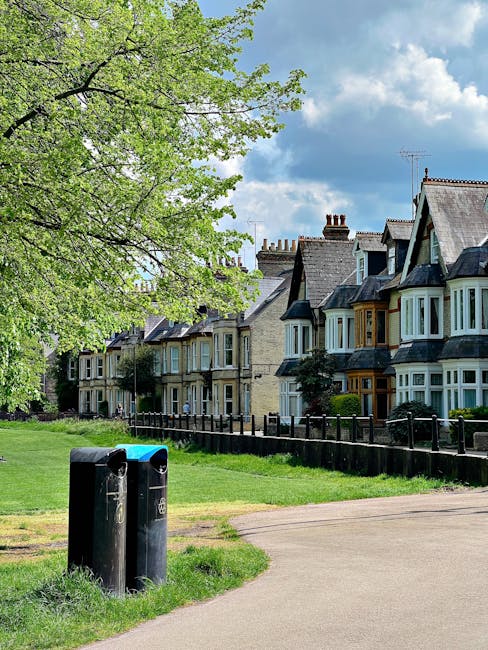
Imagine a one-bedroom Kingston flat in a converted Victorian building. The flat is on the second floor, the staircase is narrow, and there is a shared hallway with two other homes. The resident needs to remove a broken wardrobe, several bags of mixed household rubbish, and a small chest of drawers before moving out at the end of the week.
At first glance, it feels like a simple job. But the wardrobe is too awkward to carry upright, the hallway has a tight bend, and the building entrance opens straight onto a narrow pavement. If the team arrives without planning, the move could drag on and annoy everyone in the building.
The better approach is to:
- measure the wardrobe and confirm whether it can be dismantled
- stage the bags by the front room, not by the front door
- confirm parking or stopping space in advance
- book a time when the hallway is quieter
- separate anything recyclable before the team arrives
With that prep, the collection becomes quicker and cleaner. The resident avoids last-minute stress, the neighbours are less disrupted, and the flat is ready for handover without a scramble. Simple enough, but only because the access challenge was treated seriously from the start.
A similar logic often applies to residents near busy transport corridors or larger developments. For example, if you are dealing with properties near Kingston's busier residential routes, articles such as bulky rubbish collection tips for Canbury Gardens can give a good sense of the planning mindset that saves time.
Practical Checklist
Use this before collection day. It is the kind of list that saves a phone call later.
- Confirm what items are being collected
- Check whether anything needs dismantling first
- Measure tight doorways, stair turns, and lift space
- Note parking restrictions or loading limitations
- Tell the provider about shared entrances or concierge rules
- Move loose obstacles out of the route
- Separate recyclables if practical
- Keep communal exits and fire routes clear
- Photograph awkward items if you are unsure about sizing
- Make sure someone is available to confirm access on the day
If you can tick most of those off, you are already in good shape. The rest is usually just timing and tidy execution.
Get a free quote today and see how much you can save.
Conclusion
Rubbish collection for Kingston flats narrow access solutions is really about making a difficult layout feel manageable. When the route is narrow, the stairs are tight, or the building rules are a bit fussy, the collection has to be planned around reality rather than assumptions. That is what keeps the job safe, efficient, and far less irritating than it needs to be.
The best results usually come from a simple mix: clear information, sensible preparation, and a collection method that fits the property. Do that, and even a cramped flat can be cleared without drama. And honestly, that is a small win that feels bigger than it sounds, especially on moving day.
If you are comparing services, checking access-based pricing, or trying to arrange a collection with minimal disruption, take your time with the details. A few minutes of planning now can save a lot of back-and-forth later. One less headache, one cleaner hallway. Not bad.
 Tipper Van - Rubbish Removal and Rubbish Disposal Prices in Kingston, KT1
 Luton Van - Rubbish Removal and Rubbish Disposal Prices in Kingston, KT1


